
Meet the Best Haematologist
in India
Compare experience, qualifications and specialisations side-by-side, then book directly with the best haematologist in India — 10 verified blood and blood disorder specialists across Delhi NCR's leading hospitals, all in one place.

Finding the Best Haematologist in India
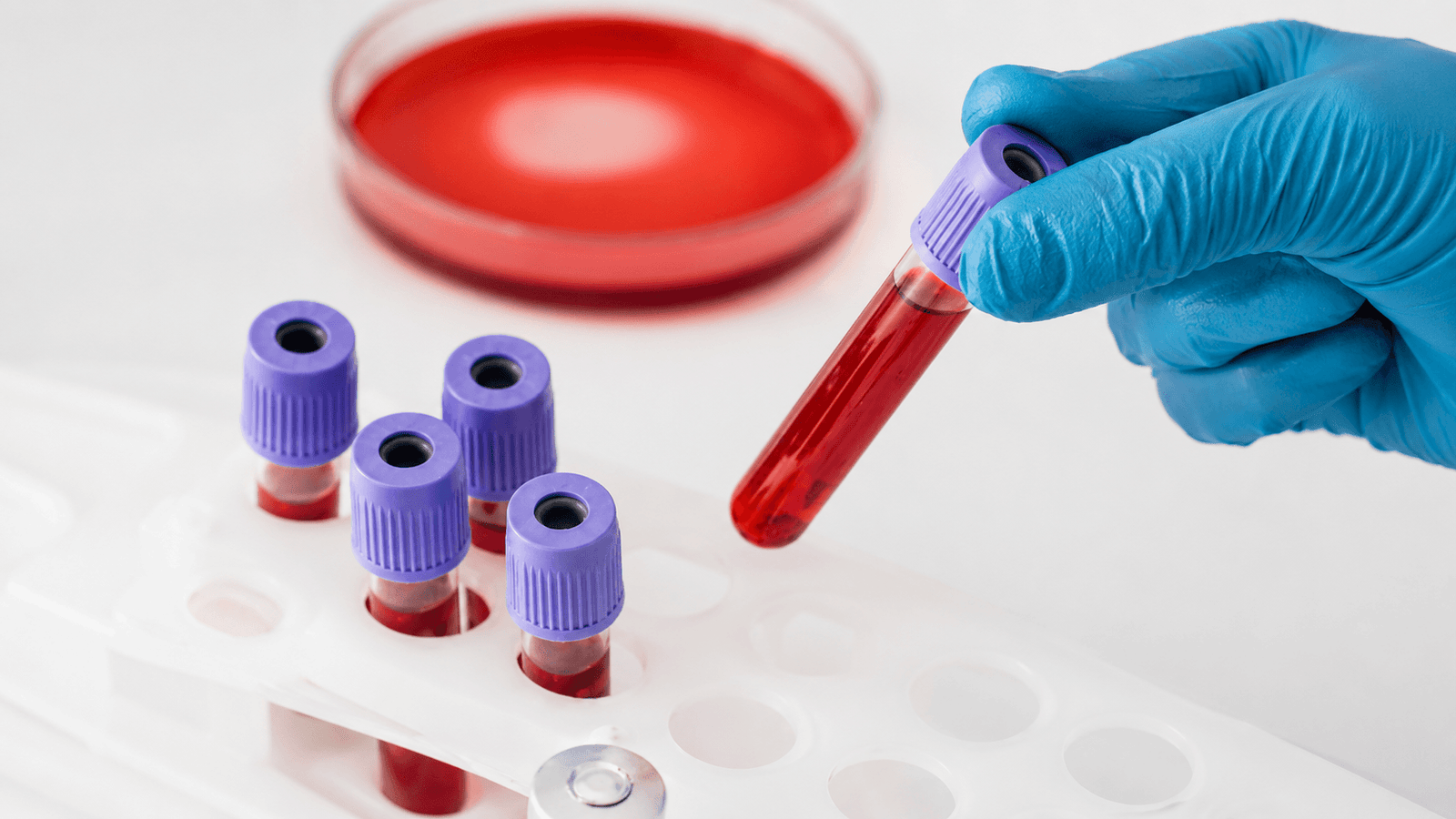
Persistent anaemia that isn't responding to treatment, unusual bruising or bleeding, an abnormal blood count report, or a doctor's referral after a bone marrow biopsy — whatever the reason, finding the best haematologist in India quickly becomes the priority once a blood disorder concern shows up. India today is home to some of the world's most experienced blood specialists, trained at premier institutions and backed by hospitals equipped with advanced bone marrow transplant units and specialised blood disorder clinics.
This directory brings together verified profiles of leading haematologists, bone marrow transplant physicians and blood cancer specialists practising across Delhi NCR's top hospitals, so you can compare expertise, review qualifications and book an appointment without guesswork. Whether you are searching for the best blood specialist in India, a top haematologist in India for a bleeding disorder, or the best blood disorder specialist in India for a bone marrow transplant, every profile here is built from real hospital records.
Choosing the right haematologist is rarely a one-size-fits-all decision, because blood disorders themselves are never one-size-fits-all. A patient with iron-deficiency anaemia may need a general haematologist for diagnosis and treatment, while someone with leukaemia or lymphoma may need a specialist experienced in chemotherapy and bone marrow transplantation. That is exactly why every profile here includes exact qualifications, sub-specialisations, awards and hospital affiliations — so you can match your condition to a doctor's proven area of expertise among the best haematology doctors in India.
Why Delhi NCR Attracts the Best Haematologists in India
Blood disorders range from simple, manageable conditions like anaemia to complex diseases like leukaemia and lymphoma, and getting an accurate diagnosis early often makes a significant difference to treatment outcomes. The best haematologists in India practising in Delhi NCR bring years of combined experience — many with 10 to 30+ years across clinical haematology, bone marrow transplantation, and blood cancer treatment — along with fellowships from institutions in India and abroad.
Delhi NCR's dense concentration of multi-speciality haematology and bone marrow transplant institutes is one of the key reasons the region continues to draw some of the best haematology specialists in India, and you can browse the full list of partner hospitals to see where each of these specialists practises.
Common Blood Disorders Treated by Top Haematologists in India
The top haematologists in India listed here manage the full spectrum of blood-related conditions. This includes anaemia (iron-deficiency, aplastic and haemolytic), thalassaemia, haemophilia and other bleeding disorders, leukaemia, lymphoma, multiple myeloma, myelodysplastic syndromes, and clotting disorders such as thrombosis.
Many also specialise in bone marrow and stem cell transplantation, advanced chemotherapy protocols, and management of rare blood disorders — one reason patients across India actively seek out a best blood disorder specialist in India with this specific training rather than a general physician for persistent blood-related symptoms.
Advanced Haematology Treatments Available in India
India's leading haematology centres now offer treatments once available only in a handful of countries, including allogeneic and autologous bone marrow transplantation, CAR-T cell therapy for certain blood cancers, and advanced molecular diagnostics for precise disease classification. According to the World Health Organization, anaemia affects a significant proportion of the global population and remains one of the most common blood disorders worldwide, which is exactly why early screening and access to haematology specialists has become such a critical part of modern preventive care in India.
These advances allow the best haematologist in India to diagnose and treat blood disorders with far greater precision, often improving survival rates for blood cancers significantly. Many hospitals in this network also run dedicated bone marrow transplant units and thalassaemia clinics, where haematologists, oncologists and transfusion medicine specialists jointly manage complex, long-term blood conditions.
How to Choose the Right Haematologist
Not every blood disorder needs the same kind of specialist. The best haematology doctors in India typically combine three things: focused sub-specialty experience in your specific condition, a strong track record of managing similar cases including transplants where relevant, and access to a well-equipped hospital with an on-site bone marrow transplant unit and blood bank.
Before booking an appointment, check whether the doctor's listed specialisations match your symptoms, review their years of experience with blood cancer or bone marrow transplant cases, and consider the hospital's facilities if you have a chronic condition needing regular monitoring. If you're still unsure which specialist best fits your condition, Contact Us for more information and personalised guidance.
Cost, Insurance and Recovery
Cost of Haematology Treatment in India
As a general guide, a consultation with a haematologist in Delhi NCR typically costs ₹800–₹2,000. A complete blood count with peripheral smear usually costs ₹500–₹1,500, a bone marrow biopsy ranges from ₹8,000–₹20,000, and chemotherapy cycles for blood cancers can range from ₹50,000–₹2 lakh per cycle depending on the protocol. A bone marrow transplant typically costs ₹15 lakh–₹30 lakh including donor evaluation and post-transplant care. These are indicative ranges only — your specialist will confirm the exact cost after reviewing your reports.
Health Insurance and Cashless Treatment
Most major hospitals in this list are empanelled with leading insurers such as Star Health, HDFC ERGO, ICICI Lombard, Niva Bupa and the government's Ayushman Bharat scheme, offering cashless treatment for chemotherapy, bone marrow transplantation and hospitalisation once pre-authorisation is approved, typically within 2–24 hours for planned procedures. Bone marrow transplant coverage varies significantly between policies, so it's worth confirming this specifically well before a planned transplant.
Recovery After Chemotherapy and Bone Marrow Transplant
Recovery timelines vary widely by condition and treatment protocol. Chemotherapy cycles are typically managed on an outpatient or short-stay basis with recovery time between cycles. Bone marrow transplant recovery is far more extensive, involving an initial hospital stay of 3–4 weeks in an isolated unit, followed by close monitoring for engraftment and immune recovery over several months.
Preventive Blood Health
A complete blood count once a year is a simple and effective way to catch anaemia and other blood abnormalities early, particularly for women of reproductive age and individuals with a family history of blood disorders. Maintaining adequate iron, vitamin B12 and folate intake through diet meaningfully reduces the risk of nutritional anaemia, while genetic counselling is advisable for couples with a family history of thalassaemia or haemophilia.
Video Consultations and Second Opinions
Telemedicine and video consultations are a useful way to get a preliminary opinion for non-emergency blood disorder concerns, particularly for patients located outside Delhi NCR or those who want a second opinion before a major treatment decision. You can start a doctor consultation online to discuss symptoms and existing reports, though severe unexplained bleeding, extreme fatigue with breathlessness, or high fever during chemotherapy should always be treated as an emergency requiring immediate in-person care.
Choosing Between a Local Clinic and a Specialised Haematology Centre
For routine anaemia or mild blood count abnormalities, a nearby physician may be sufficient. For suspected blood cancer, a bleeding disorder, or a second opinion on a bone marrow transplant decision, a dedicated haematology and transplant centre with an on-site bone marrow transplant unit generally offers more thorough, coordinated care.
How Azzocare Helps You Find the Right Haematologist
Finding one of the best haematologists in India takes just four simple steps on Azzocare:
Book Your Consultation with Confidence
Every profile above has been compiled directly from verified hospital records, so you can browse by experience, hospital affiliation or specialisation with confidence rather than relying on unverified listings. Use the search bar to look up a doctor by name or condition, sort by years of experience, and open any profile to review their complete qualifications, awards and areas of focus before you decide.
Among the best haematologists in India listed here, you'll find blood, bone marrow transplant and blood cancer specialists covering nearly every haematological condition treated in Delhi NCR today. Shortlist a specialist whose expertise matches your condition, review their full profile carefully, and book your appointment with one of the best haematologists in India today, because when it comes to blood health, the right first consultation matters more than anything that follows.
Among the best haematologists in India, match the doctor's listed specialisation to your condition — for example, a bone marrow transplant specialist for leukaemia or a general haematologist for anaemia management — then check their years of experience and hospital's transplant and blood bank facilities before booking.
Yes. Every profile shown here is compiled directly from verified hospital records, including qualifications, designations, awards and professional memberships.
Yes, click "Request Consultation" on any doctor's card to start the booking process right here.
Doctors listed here have an average of 17+ years of clinical experience, with several specialists practising for over two to three decades across haematology, bone marrow transplantation and blood cancer treatment.
A haematologist specialises in disorders of the blood and bone marrow, including both non-cancerous conditions like anaemia and cancers such as leukaemia and lymphoma, while an oncologist treats cancers across the body more broadly. Many haematologists are also trained as haemato-oncologists, specifically managing blood cancers alongside general blood disorders.
Persistent fatigue, unexplained bruising or bleeding, frequent infections, unexplained weight loss, and swollen lymph nodes are all warning signs that need prompt evaluation. Severe unexplained bleeding or extreme fatigue with breathlessness should always be treated as a medical emergency.
Yes. The hospitals represented here run dedicated bone marrow and stem cell transplant units for complex blood disorders and blood cancers.
Yes, and it is strongly recommended before any major procedure such as a bone marrow transplant. You can open any specialist's profile above, review their experience and sub-specialty focus, and book a consultation to get an independent second opinion.