Meet the Best Nuclear Medicine
Specialist in India
Compare experience, qualifications and specialisations side-by-side, then book directly with the best nuclear medicine specialist in India — 2 verified PET-CT and molecular imaging specialists across Delhi NCR's leading hospitals, all in one place.
Finding the Best Nuclear Medicine Specialist in India
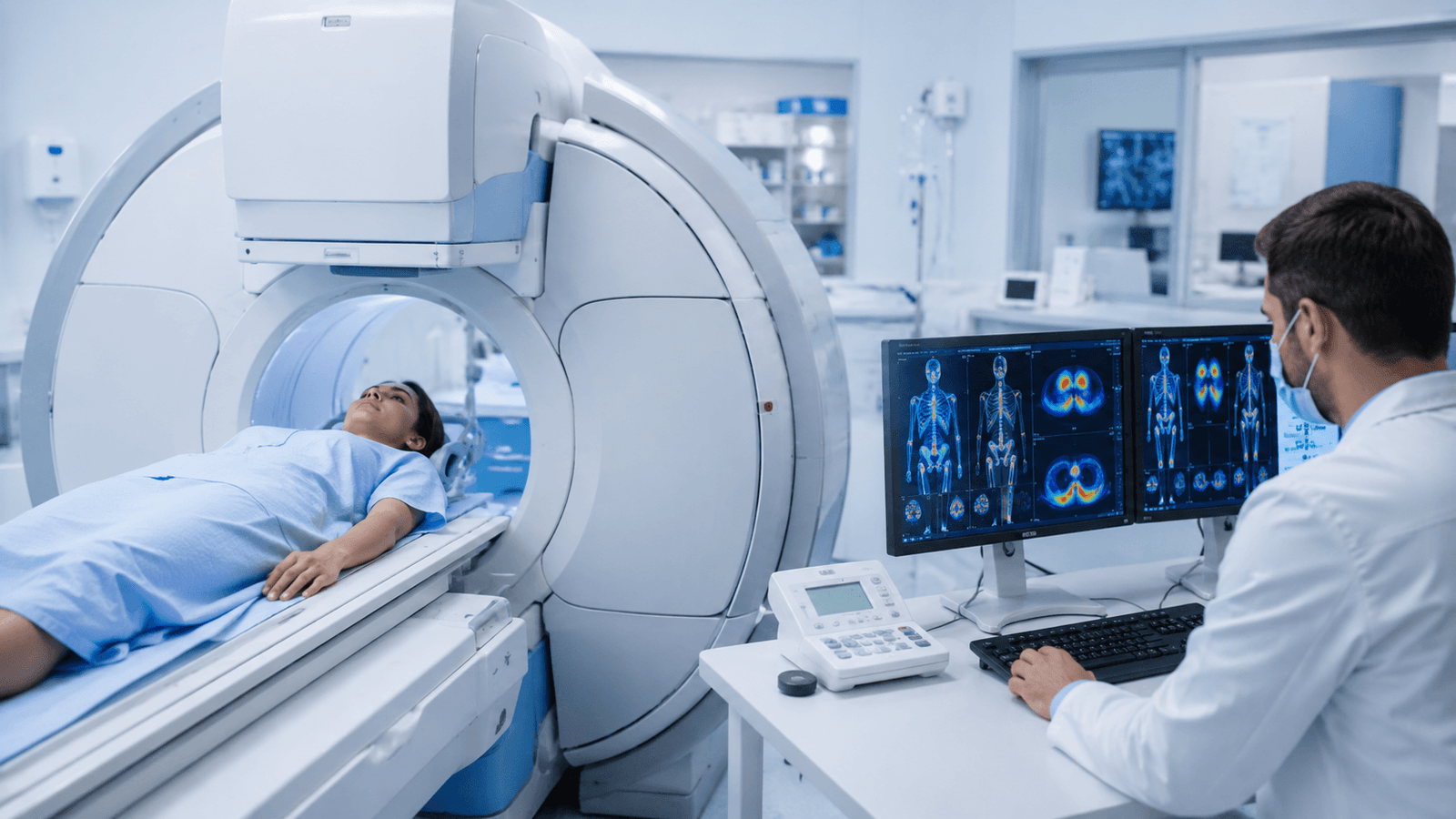
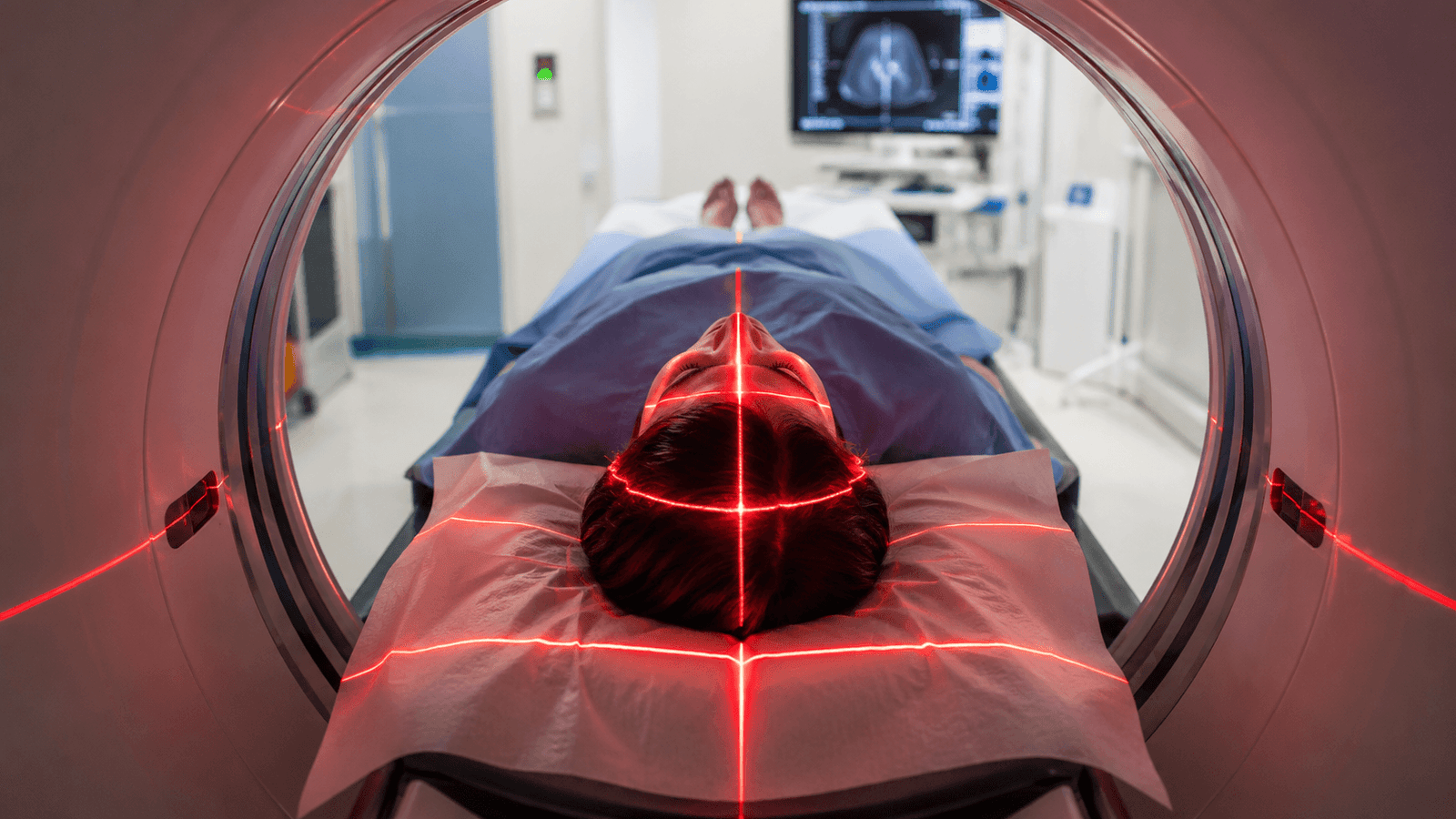
A doctor's recommendation for a PET-CT scan, a suspected cancer that needs precise staging, a thyroid condition requiring radioactive iodine therapy, or a bone scan to investigate unexplained pain — whatever the reason, finding the best nuclear medicine specialist in India quickly becomes the priority once advanced imaging or molecular therapy is needed. India today is home to some of the most experienced nuclear medicine specialists, trained at premier institutions and backed by hospitals equipped with advanced PET-CT scanners and dedicated molecular imaging centres.
This directory brings together verified profiles of leading nuclear medicine specialists and PET-CT experts practising across Delhi NCR's top hospitals, so you can compare expertise, review qualifications and book an appointment without guesswork. Whether you are searching for the best PET-CT specialist in India for cancer staging, a top nuclear medicine specialist in India for a thyroid scan, or the best molecular imaging specialist in India for a complex diagnostic workup, every profile here is built from real hospital records.
Choosing the right nuclear medicine specialist is rarely a one-size-fits-all decision, because the role of nuclear imaging varies significantly depending on the clinical question being asked. A patient needing routine cancer staging may need a standard PET-CT protocol, while someone with a rare tumour may need a specialist experienced in specific radiotracers and advanced molecular imaging techniques. That is exactly why every profile here includes exact qualifications, sub-specialisations, awards and hospital affiliations — so you can match your needs to a doctor's proven area of expertise among the best nuclear medicine doctors in India.
Why Delhi NCR Attracts the Best Nuclear Medicine Specialists in India
Nuclear medicine plays an increasingly central role in cancer diagnosis, staging, and treatment monitoring, as well as in evaluating thyroid, bone, and cardiac conditions. The best nuclear medicine specialists in India practising in Delhi NCR bring focused training in PET-CT interpretation, radionuclide therapy, and molecular imaging protocols, working closely with oncologists, endocrinologists, and other specialists to guide treatment decisions.
Delhi NCR's dense concentration of multi-speciality hospitals with advanced imaging infrastructure is one of the key reasons the region continues to draw some of the best nuclear imaging specialists in India, and you can browse the full list of partner hospitals to see where each of these specialists practises.
Common Procedures Performed by Top Nuclear Medicine Specialists in India
The top nuclear medicine specialists in India listed here perform a range of diagnostic and therapeutic procedures. This includes PET-CT scans for cancer staging and treatment response assessment, bone scans for metastasis evaluation, thyroid scans and radioactive iodine therapy, cardiac perfusion imaging, and renal scans for kidney function assessment.
Many also specialise in theranostics, a combined diagnostic and therapeutic approach using targeted radiotracers — one reason patients across India actively seek out a best PET-CT specialist in India with this specific training rather than relying solely on conventional imaging for complex diagnostic questions.
Advanced Nuclear Medicine Treatments Available in India
India's leading nuclear medicine centres now offer advanced diagnostic and therapeutic options once available only in a handful of countries, including PET-CT with specialised radiotracers for specific cancer types, peptide receptor radionuclide therapy (PRRT) for neuroendocrine tumours, and radioactive iodine therapy for thyroid cancer. According to the World Health Organization, cancer remains one of the leading causes of death globally, which is exactly why precise molecular imaging and staging has become such a critical part of modern cancer care in India.
These advances allow the best nuclear medicine specialist in India to provide oncologists and other treating physicians with precise, functional information about disease extent and treatment response that structural imaging alone cannot always provide. Many hospitals in this network also run dedicated PET-CT centres integrated with oncology departments, allowing for coordinated, multidisciplinary cancer care.
How to Choose the Right Nuclear Medicine Specialist
Not every diagnostic question needs the same imaging approach. The best nuclear medicine doctors in India typically combine three things: expertise in interpreting the specific type of scan or therapy you need, a strong working relationship with the referring specialist managing your primary condition, and access to a well-equipped centre with modern PET-CT and radiotracer facilities.
Before booking an appointment, check whether the doctor's listed specialisations match your diagnostic need, review their years of experience with the specific procedure, and consider the hospital's facilities for radiotracer availability and reporting turnaround time. If you're still unsure which specialist best fits your needs, Contact Us for more information and personalised guidance.
Cost, Insurance and Recovery
Cost of Nuclear Medicine Procedures in India
As a general guide, a consultation with a nuclear medicine specialist in Delhi NCR typically costs ₹800–₹2,000. A whole-body PET-CT scan usually costs ₹18,000–₹35,000, a bone scan ranges from ₹6,000–₹12,000, and radioactive iodine therapy for thyroid conditions typically costs ₹15,000–₹40,000 depending on the dose and setting required. These are indicative ranges only — your specialist will confirm the exact cost based on the specific procedure needed.
Health Insurance and Cashless Treatment
Most major hospitals in this list are empanelled with leading insurers such as Star Health, HDFC ERGO, ICICI Lombard, Niva Bupa and the government's Ayushman Bharat scheme, offering cashless treatment for medically necessary PET-CT scans and radionuclide therapy once pre-authorisation is approved, typically within 2–24 hours. Coverage for diagnostic scans can vary depending on whether the procedure is part of an inpatient or outpatient care pathway, so it's worth confirming this specifically in advance.
Recovery and Precautions After Nuclear Medicine Procedures
Recovery after diagnostic scans such as PET-CT is minimal, with most patients resuming normal activity within a few hours once the radiotracer has been administered and imaging completed. Radioactive iodine therapy for thyroid conditions requires specific precautions afterward, including limiting close contact with others for a short period, as advised by the treating specialist.
Preparing for a Nuclear Medicine Scan
Most PET-CT scans require fasting for several hours beforehand and good blood sugar control, particularly for diabetic patients, since blood sugar levels can affect image quality. Specific preparation instructions vary by scan type, so it's important to follow the guidance provided by the centre performing your procedure.
Video Consultations and Second Opinions
Telemedicine and video consultations are a useful way to discuss scan results and next steps, particularly for patients located outside Delhi NCR or those who want a second opinion on imaging findings before proceeding with treatment. You can start a doctor consultation online to discuss your reports and existing scans with a specialist.
Choosing Between a Local Diagnostic Centre and a Specialised Nuclear Medicine Facility
For routine diagnostic scans, a well-equipped local diagnostic centre may be sufficient. For complex cancer staging, rare tumour evaluation, or radionuclide therapy, a dedicated nuclear medicine facility integrated with a multi-speciality hospital's oncology department generally offers more thorough, coordinated care.
How Azzocare Helps You Find the Right Nuclear Medicine Specialist
Finding one of the best nuclear medicine specialists in India takes just four simple steps on Azzocare:
Book Your Consultation with Confidence
Every profile above has been compiled directly from verified hospital records, so you can browse by experience, hospital affiliation or specialisation with confidence rather than relying on unverified listings. Use the search bar to look up a doctor by name or condition, sort by years of experience, and open any profile to review their complete qualifications, awards and areas of focus before you decide.
Among the best nuclear medicine specialists in India listed here, you'll find PET-CT, molecular imaging and radionuclide therapy specialists supporting oncology and other specialist care across Delhi NCR today. Shortlist a specialist whose expertise matches your needs, review their full profile carefully, and book your appointment with one of the best nuclear medicine specialists in India today, because when it comes to precise diagnosis, the right imaging partner matters more than anything that follows.
Among the best nuclear medicine specialists in India, match the doctor's listed expertise to your diagnostic need — for example, a PET-CT specialist for cancer staging or a thyroid imaging expert for radioactive iodine therapy — then check their years of experience and hospital's imaging facilities before booking.
Yes. Every profile shown here is compiled directly from verified hospital records, including qualifications, designations, awards and professional memberships.
Yes, click "Request Consultation" on any doctor's card to start the booking process right here.
Doctors listed here have an average of 14+ years of clinical experience across PET-CT imaging, molecular imaging and radionuclide therapy.
A regular CT scan shows the structural anatomy of the body, while a PET-CT scan combines structural imaging with functional information about metabolic activity, using a radioactive tracer. This makes PET-CT particularly useful for detecting cancer activity, staging disease, and assessing how well a tumour is responding to treatment.
PET-CT scans use a small, controlled dose of radioactive tracer and are considered safe for diagnostic use under medical supervision. Most scans require several hours of fasting beforehand and good blood sugar control, and your nuclear medicine centre will provide specific preparation instructions based on the scan type.
Yes. The hospitals represented here offer radioactive iodine therapy for thyroid conditions and other targeted radionuclide therapies as part of their nuclear medicine services.
Yes, and it can be valuable when imaging findings are unclear or when planning further treatment. You can open any specialist's profile above, review their experience, and book a consultation to discuss your scan results and get an independent second opinion.