
How to Improve Heart Health Naturally
To improve heart health naturally, focus on a diet rich in whole grains, leafy greens, and omega-3 fatty acids, combined with at least 150 minutes of moderate aerobic exercise per week. Managing stress, sleeping 7–9 hours nightly, quitting smoking, and limiting alcohol also significantly reduce cardiovascular risk — often more than any single supplement or intervention.
Introduction
Here’s something cardiologists quietly acknowledge: the biggest risk factors for heart disease aren’t particularly dramatic. They aren’t rare genetic mutations or unavoidable exposures. They’re largely decisions made across thousands of ordinary days — what gets eaten, how often the body moves, and how stress gets processed.
Understanding how to improve heart health naturally isn’t about finding a miracle habit. It’s about recognising that the heart responds, measurably and consistently, to the environment you create for it. Cardiovascular disease remains the leading cause of death globally, yet a substantial proportion of cases are preventable through lifestyle modification alone. This guide cuts through the noise to tell you what the evidence actually supports — and what it doesn’t.
Key Takeaways
- Diet matters more than supplements. A Mediterranean or DASH-style eating pattern reduces cardiovascular event risk significantly; most single supplements do not replicate this effect.
- Exercise is medicine. Just 150 minutes of moderate aerobic activity weekly lowers the risk of heart disease by roughly 35%, according to WHO guidelines.
- Sleep is an underrated cardiac protector. Chronic sleep deprivation independently raises blood pressure and inflammatory markers — two direct contributors to heart disease.
- Stress doesn’t just feel bad — it physically damages arteries. Chronic cortisol elevation promotes arterial inflammation and accelerates plaque formation.
- Small consistent changes outperform dramatic short-term interventions. Research consistently shows gradual habit shifts produce better long-term outcomes than crash programs.
What Does “Heart Health” Actually Mean?
Heart health refers to the functional and structural integrity of the cardiovascular system — the heart muscle itself, the coronary arteries that supply it, and the broader circulatory network. When cardiologists assess heart health, they look at a cluster of factors: blood pressure, lipid profile (LDL, HDL, triglycerides), fasting blood glucose, body weight, smoking status, and family history.
The good news is that many of these markers respond directly to natural interventions. Blood pressure can drop meaningfully within weeks of dietary change. HDL cholesterol rises with regular physical activity. Inflammatory markers — increasingly recognised as key drivers of atherosclerosis — fall with improvements in sleep and stress management.
Understanding the mechanism matters because it helps set realistic expectations. Natural approaches aren’t slow or inferior; in many cases, they address root causes rather than symptoms. This is precisely what makes the goal of how to improve heart health naturally so achievable for most people.
How to Improve Heart Health with Diet The Foods That Consistently Protect the Heart
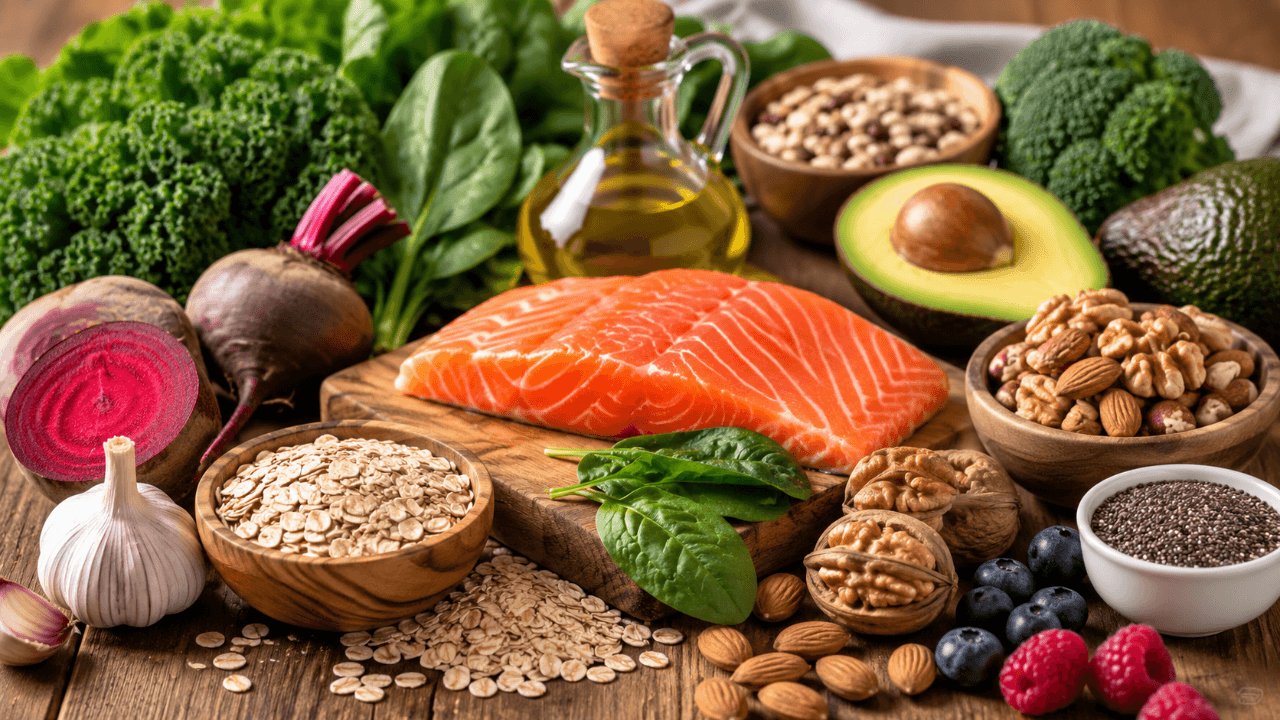
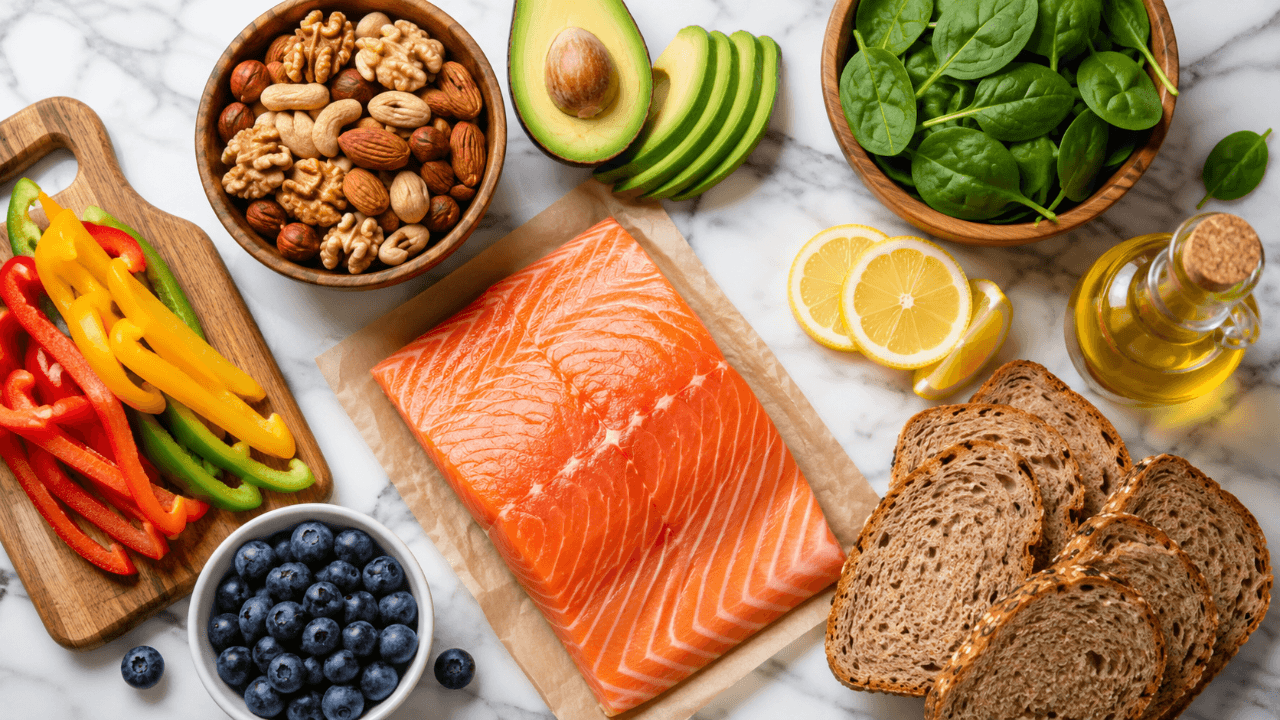
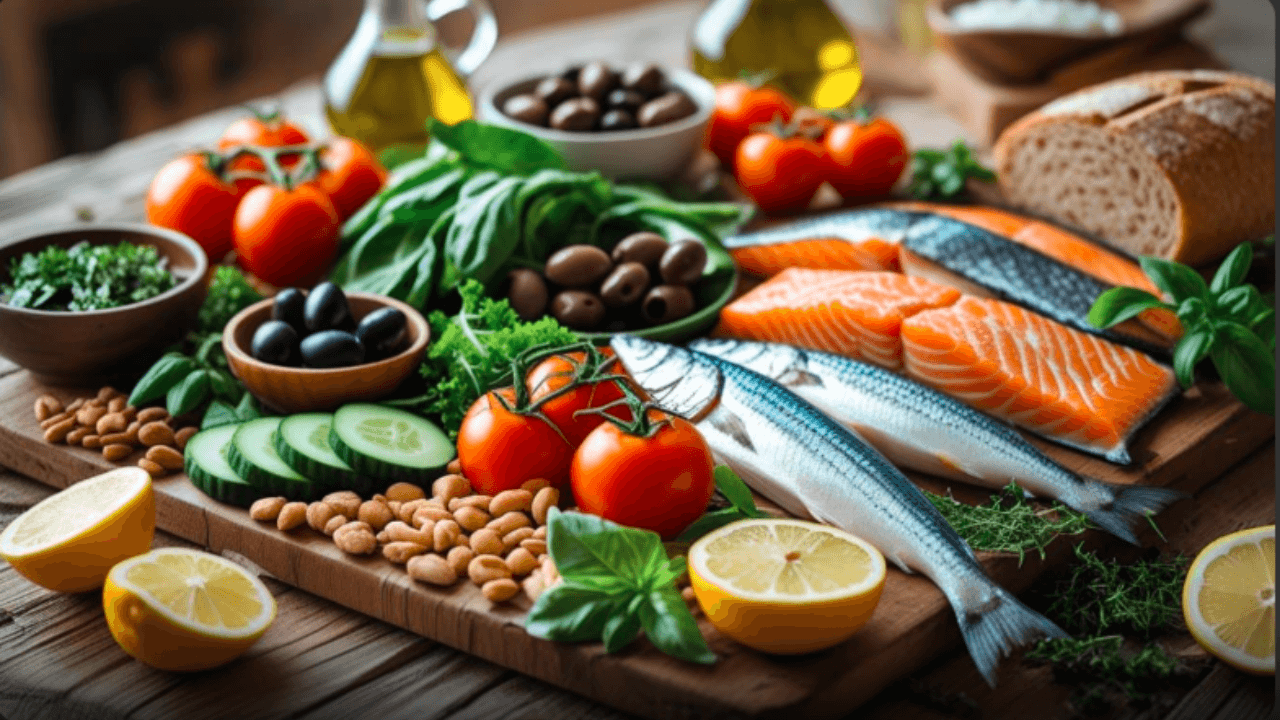
When it comes to how to improve heart health naturally, diet is one of the most powerful and well-researched levers available. The research here is remarkably consistent. Diets built around vegetables, legumes, whole grains, nuts, fatty fish, and olive oil — broadly called the Mediterranean pattern — are associated with lower rates of heart attack, stroke, and cardiovascular mortality across dozens of large studies.
Practically, this means prioritising:
- Fatty fish (salmon, mackerel, sardines): Rich in EPA and DHA omega-3 fatty acids, which lower triglycerides and reduce arterial inflammation.
- Leafy greens (spinach, kale, fenugreek): High in nitrates that improve arterial flexibility and lower blood pressure.
- Nuts and seeds: Walnuts in particular are associated with reduced LDL cholesterol and improved endothelial function.
- Whole grains: Oats contain beta-glucan, a soluble fibre that directly lowers LDL.
- Legumes: Lentils, chickpeas, and kidney beans provide soluble fibre, plant protein, and potassium — all cardioprotective.
- Olive oil (extra virgin): Polyphenol-rich; reduces oxidative stress on arterial walls.
If you’re looking for more dietary strategies to support cardiovascular wellness, explore our guide to artery-friendly foods that may help improve circulation, manage cholesterol levels, and promote long-term heart health.
What Food Can Improve Heart Health — and What to Limit
Equally important is recognising what to reduce. Ultra-processed foods, refined carbohydrates, trans fats (still found in many commercial baked goods), and excess sodium are independently associated with elevated blood pressure, poor lipid profiles, and systemic inflammation.
Salt deserves particular attention. The average adult in South Asia consumes significantly more sodium than the recommended 2,000 mg per day, contributing to hypertension — one of the most powerful modifiable risk factors for heart disease.
The DASH diet (Dietary Approaches to Stop Hypertension) was specifically designed around reducing sodium while increasing potassium, magnesium, and calcium. In controlled trials, it lowers systolic blood pressure by an average of 8–14 mmHg — comparable to some antihypertensive medications.
5 Best Exercises to Strengthen Your Heart
Exercise is probably the single most evidence-backed intervention for cardiovascular health. For anyone serious about how to improve heart health naturally, consistent physical activity directly improves cardiac output, reduces resting heart rate, lowers blood pressure, improves insulin sensitivity, and raises HDL cholesterol.
The American Heart Association recommends 150 minutes of moderate-intensity aerobic exercise per week. Here’s what that actually looks like:
- Brisk walking: The most accessible cardiac exercise. 30 minutes daily at a pace that slightly elevates your breathing is enough to produce measurable cardiovascular benefits within 8–12 weeks.
- Swimming: Ideal for those with joint issues. Water resistance adds load without impact, and the horizontal position reduces cardiac workload, making it particularly suitable for older adults.
- Cycling: Both outdoor and stationary cycling improve VO2 max — a robust predictor of long-term cardiovascular health — significantly more than walking at comparable calorie burns.
- HIIT (High-Intensity Interval Training): Short bursts of intense effort followed by recovery periods have been shown to improve cardiac function in as little as 12 weeks. Even 20-minute sessions, three times per week, produce meaningful results.
- Yoga: Often overlooked in cardiac contexts, yoga consistently reduces blood pressure, cortisol, and inflammatory markers. It also improves heart rate variability — a measure of autonomic nervous system health that predicts cardiac risk.
For those looking to start safely, our guide to exercise for heart health at home walks through beginner-friendly routines that require no equipment.
How to Improve Heart Health at Home: The Daily Habits That Matter
Sleep: The Cardiac Variable Nobody Talks About Enough
Sleeping fewer than 6 hours per night is associated with a 20% higher risk of heart attack, independent of other risk factors. During sleep, the heart rate drops and blood pressure falls — giving the cardiovascular system essential recovery time. When sleep is consistently disrupted, this restoration doesn’t happen properly.
Practically: go to bed and wake at consistent times, keep the bedroom cool and dark, and limit screen exposure an hour before sleep. These aren’t wellness clichés — they’re behaviours with measurable cardiac effects.
Stress Management: The Mechanism Is Real
Chronic psychological stress elevates cortisol, which triggers systemic inflammation, raises blood pressure, and promotes plaque formation in coronary arteries. People with high chronic stress have significantly elevated rates of cardiovascular events — the mechanism is well-documented.
Effective stress reduction doesn’t require a particular technique. Evidence supports: diaphragmatic breathing, regular physical activity, social connection, time in natural environments, and structured relaxation practices. The key is consistency rather than intensity.
Smoking and Alcohol
Tobacco use is one of the most powerful reversible risk factors for heart disease. Within one year of quitting, the added cardiovascular risk drops by roughly 50%. Within five years, the risk approaches that of a non-smoker.
Alcohol is more nuanced. Moderate consumption (one drink per day for women, two for men) has historically been associated with slightly lower cardiovascular risk in some populations, but more recent large-scale analyses suggest this relationship is weaker than previously thought and may partly reflect confounders. Heavy drinking unambiguously raises blood pressure, causes arrhythmias, and weakens the heart muscle directly.
Supplements to Improve Heart Health: What’s Actually Worth Considering
The supplement market is enormous, and the evidence base for most products is thin. A few have meaningful support:
- Omega-3 fatty acids (fish oil): At doses of 2–4g daily, they reliably reduce triglycerides. Evidence for reduction in cardiac events is more mixed in people who already eat fish regularly.
- Coenzyme Q10 (CoQ10): There is reasonable evidence it reduces symptoms and may improve cardiac function in patients with heart failure. Evidence for primary prevention in healthy people is limited.
- Magnesium: Low magnesium is associated with hypertension and arrhythmias. Supplementation in people who are deficient has shown benefit; universal supplementation in those with normal levels is less well-supported.
- Plant sterols/stanols: Found in fortified foods and supplements, they modestly lower LDL cholesterol — a genuine and consistent effect.
The honest position is that no supplement replicates the effect of a good diet and regular exercise. They may fill gaps; they don’t replace foundations.
Can You Improve Heart Health in 30 Days?
This is a common search — and a reasonable question for anyone exploring how to improve heart health naturally within a defined timeframe. The evidence suggests meaningful change is possible within a month, but the type of change matters.
Blood pressure can fall measurably within 2–4 weeks of dietary sodium reduction and increased aerobic activity. Triglycerides respond rapidly to carbohydrate and alcohol reduction. Resting heart rate drops with consistent aerobic training over 4–6 weeks. Fasting glucose improves with exercise within days.
What doesn’t change quickly: structural arterial changes take months to years. LDL cholesterol responds over 6–12 weeks typically. Long-term risk reduction is cumulative, not binary.
The most accurate framing for a 30-day intervention is: you can meaningfully move biomarkers, establish habits that compound over time, and experience tangible improvements in energy and wellbeing — but the real cardiac benefit accrues over years, not weeks.

Worst Foods for Heart Health
These are not surprising, but their mechanisms are worth understanding:
- Processed and cured meats: High in sodium and saturated fat; associated with elevated cardiovascular mortality in multiple large cohort studies.
- Trans fats: Found in partially hydrogenated oils used in commercial pastries and deep-frying. Raise LDL and lower HDL simultaneously — a particularly damaging combination.
- Refined sugar and sugary beverages: Drive triglyceride elevation, insulin resistance, and systemic inflammation — all independent cardiovascular risk factors.
- Excess sodium: Directly raises blood pressure through fluid retention and arterial stiffness.
- Refined carbohydrates (white bread, white rice in excess): Rapid glucose spikes promote oxidative stress and insulin resistance over time.
Common Myths About Heart Health — Debunked
Myth: Heart disease is mainly a man’s problem. Reality: Cardiovascular disease is the leading cause of death in women globally. Women’s symptoms are often atypical (nausea, jaw pain, extreme fatigue rather than classic chest pain), which contributes to delayed diagnosis. Understanding the signs and symptoms of heart conditions is equally critical for women.
Myth: If your cholesterol is normal, your heart risk is low. Reality: Total cholesterol is a partial picture. Inflammation (measured by hs-CRP), blood pressure, blood glucose, family history, and lifestyle factors all contribute independently. Many heart attacks occur in people with “normal” cholesterol.
Myth: Natural supplements are always safe for the heart. Reality: Some supplements interact with cardiac medications (notably fish oil and blood thinners, CoQ10 and statins). “Natural” does not mean inert or risk-free.
Myth: Exercise is dangerous if you have heart disease. Reality: With appropriate medical clearance and guidance, exercise is one of the most evidence-backed treatments for most forms of heart disease. Inactivity is far riskier for most cardiac patients than supervised activity.
Myth: Young people don’t need to worry about heart health. Reality: Atherosclerosis begins in adolescence. Arterial plaque accumulates over decades. Habits established in the 20s and 30s have measurable effects on cardiovascular risk by middle age.
What Most People Don’t Know About Heart Health
- Oral health directly affects cardiac risk. Periodontitis (chronic gum disease) is associated with elevated cardiovascular risk through inflammatory pathways. The bacteria in infected gum tissue can enter the bloodstream and contribute to arterial plaque. Dental hygiene is, quietly, a heart health intervention.
- Air pollution is a significant cardiac risk factor. Long-term exposure to PM2.5 particulate matter (common in urban environments and from indoor cooking fuels) is now classified as a major cardiovascular risk factor by the WHO. This is particularly relevant for those in high-pollution urban areas.
- Loneliness raises cardiac risk comparably to smoking. Research published in major cardiology journals has found that social isolation increases cardiac mortality risk by roughly 29%. The mechanism involves chronic cortisol elevation and reduced health-seeking behaviour.
- Sitting for extended periods raises risk even in people who exercise. Extended sedentary time is independently associated with poorer cardiovascular outcomes, even after controlling for total exercise. Breaking up sitting every 30–45 minutes with brief movement has measurable metabolic effects.
When to See a Doctor
Natural lifestyle changes are powerful — but they work alongside medical care, not in place of it. Certain presentations require prompt evaluation rather than waiting to see if habits improve things.
See a cardiologist or your physician if you experience:
- Chest pain or tightness, particularly with exertion or that radiates to the arm, jaw, or back
- Unexplained breathlessness with minimal activity or when lying flat
- Palpitations — irregular, rapid, or skipped heartbeats that are new or worsening
- Ankle or leg swelling without an obvious cause
- Dizziness or fainting, especially associated with activity
- Persistent fatigue that doesn’t improve with rest
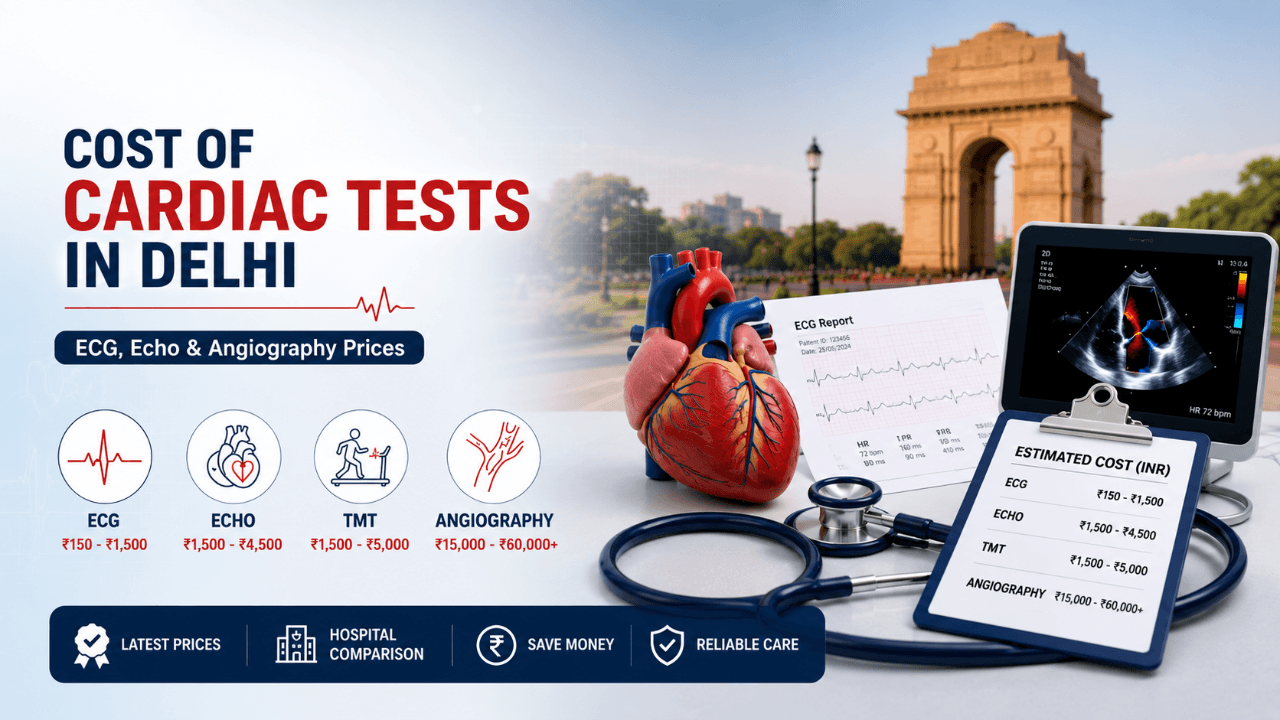
If you have a family history of early heart disease (first-degree relative before age 55 in men, 65 in women), regular screening is appropriate even without symptoms. You can find the cost of cardiac tests in Delhi and book an appointment with a cardiologist through Azzocare.
Understanding symptoms of heart blockage can also help you recognise when to act quickly.
If significant blockages are detected, doctors may recommend CABG surgery. Patients and families often want to understand the expected expenses of bypass surgery in India before making treatment decisions.
Frequently Asked Questions
How quickly can you improve heart health naturally?
Some markers respond within weeks. Blood pressure can fall meaningfully in 2–4 weeks with dietary sodium reduction and aerobic exercise. Triglycerides drop rapidly with reduced sugar and alcohol intake. However, meaningful long-term cardiovascular risk reduction accumulates over months and years of consistent habits rather than short bursts.
What is the single most effective thing for heart health?
No single intervention dominates. However, regular aerobic exercise has the broadest and most consistent evidence base — it improves blood pressure, lipid profile, blood glucose, body weight, and cardiac muscle function simultaneously. If one habit had to be prioritised, consistent moderate-intensity exercise would be it.
Are there simple ways to improve heart health without going to a gym?
Absolutely. Brisk daily walks, taking stairs instead of lifts, cycling for errands, and yoga at home all provide cardiovascular benefit. The key is consistency and reaching a moderate intensity (slightly elevated breathing, still able to speak). See our home-based exercise guide for heart health for practical routines.
What are the best foods to eat to improve heart health?
A diet built around fatty fish, leafy vegetables, whole grains, legumes, nuts, and olive oil provides the strongest evidence base. Prioritise whole foods over processed alternatives, reduce sodium, and limit sugar-sweetened beverages. The Mediterranean and DASH dietary patterns both have strong clinical trial support for cardiovascular protection.
Can stress really cause heart disease?
Yes, through well-documented mechanisms. Chronic psychological stress elevates cortisol, which promotes arterial inflammation, raises blood pressure, and accelerates plaque formation. Stress is now considered an independent cardiovascular risk factor, not merely a trigger for existing disease.
Are supplements enough to improve heart health if my diet is poor?
No. Supplements address specific deficiencies or provide targeted effects; they do not replicate the broad anti-inflammatory, lipid-modifying, and blood pressure-lowering effects of a genuinely good diet. They should complement dietary improvement, not substitute for it.
Conclusion
The most reliable answer to how to improve heart health naturally is less about dramatic overhauls and more about consistent, well-chosen habits that compound over time. The cardiovascular system is remarkably responsive — blood pressure, cholesterol, inflammation, and even cardiac structure change measurably when given the right inputs. The research is unusually clear: eat predominantly whole plant foods and fish, move consistently, sleep properly, manage stress, and avoid tobacco. None of this is new. The challenge is application, not information. If you’re unsure where to start, or if any of the warning signs above apply to you, the Azzocare team can help. Browse our specialist cardiologists or find a hospital near you to take the next step with proper guidance.
Take the first step towards a healthier heart — Book an appointment with a cardiologist today.
This article is for informational purposes only and does not constitute medical advice. Always consult a qualified healthcare professional for diagnosis, treatment, or any health-related decisions.