Warning Signs of Cardiovascular Disease
Warning signs of cardiovascular disease include chest pain or tightness, shortness of breath, unusual fatigue, swelling in the legs, and dizziness. Some signs — particularly in women — are subtle and easy to dismiss. Early recognition significantly improves outcomes and can be life-saving.
Introduction
Most people imagine a heart attack as a dramatic, unmistakable event. The reality is quieter — and more unsettling. Many people experience warning signs of cardiovascular disease for months, sometimes years, before a cardiac event occurs. Fatigue that doesn’t respond to rest, a vague pressure in the chest after climbing stairs, ankles that swell by evening — these are the kinds of signals that get attributed to aging or stress, when they may be pointing to something more serious. Understanding what your body is actually communicating can make a meaningful difference, not just in survival, but in quality of life long before things reach a crisis point.
Key Takeaways
- Cardiovascular disease rarely announces itself dramatically — early signs are often subtle and mistaken for unrelated issues
- Women experience heart disease symptoms differently than men, often without classic chest pain
- Warning signs in the face — like a diagonal earlobe crease or pale complexion — can sometimes reflect poor circulation
- Fatigue, breathlessness, and leg swelling are among the most underreported early signals
- Catching heart disease early dramatically expands treatment options and long-term prognosis
What Are the Warning Signs of Cardiovascular Disease?
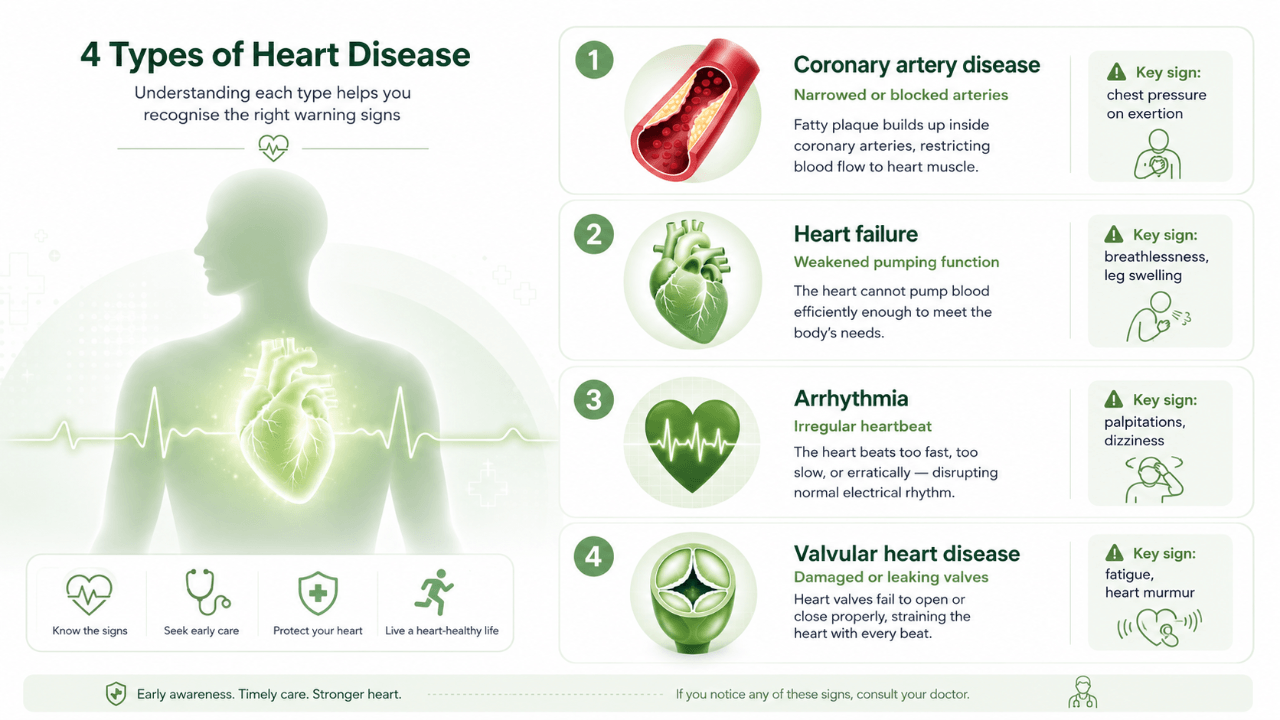
Cardiovascular disease is not a single condition — it includes coronary artery disease, heart failure, arrhythmias, and valve disorders, among others. Each type can produce a distinct set of symptoms, though there is significant overlap. The common thread is usually some degree of impaired blood flow or compromised heart function.
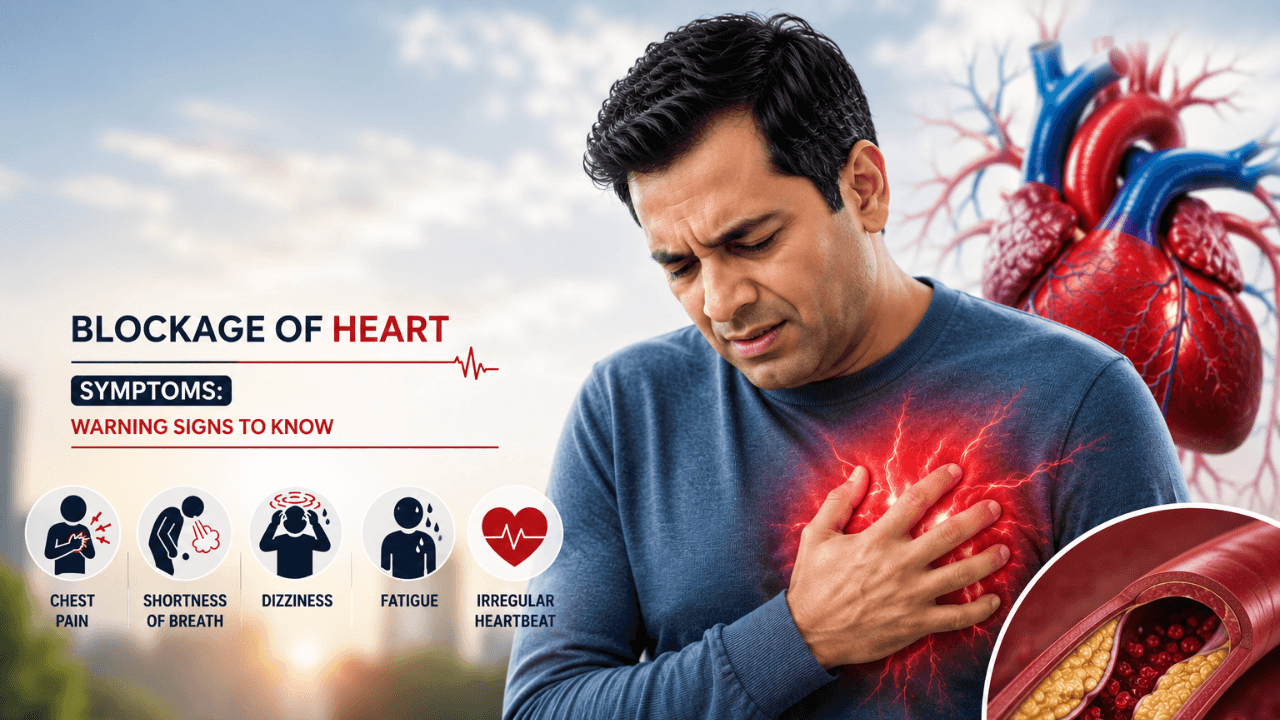
The most recognised warning sign is chest discomfort — described variously as pressure, tightness, squeezing, or heaviness. This discomfort may radiate to the left arm, jaw, neck, or back. However, many people with significant heart disease experience no chest pain at all, particularly in the earlier stages.
Other common warning signs include:
- Shortness of breath during mild activity or even at rest, especially when lying flat
- Unusual fatigue — not the tiredness that follows exertion, but an inexplicable exhaustion that settles into daily life
- Palpitations — a fluttering, racing, or skipped-beat sensation in the chest
- Dizziness or lightheadedness, particularly when standing or after physical effort
- Swelling (oedema) in the feet, ankles, or legs, caused by fluid retention when the heart isn’t pumping efficiently
When arteries begin to narrow, the body sends its own distinct distress signals — Azzocare’s guide on how blocked arteries signal distress explains this progression in practical terms.
Early Signs of Heart Disease in Females vs. Males
This is where cardiovascular medicine has made one of its most important corrections in recent decades. Historically, heart disease was studied predominantly in men, and the classic chest-clutching presentation became the default image. Women do experience chest discomfort, but they are significantly more likely to present with atypical symptoms.
Early signs of heart disease in females often include nausea, indigestion-like discomfort, jaw or upper back pain, and profound fatigue. These are frequently attributed to anxiety, gastrointestinal issues, or stress — delaying diagnosis by months or years. Women are also more likely to develop heart disease after menopause, when the protective effect of oestrogen declines.
Early signs of heart disease in males tend to follow the more classical pattern: exertional chest pain, left arm discomfort, and breathlessness on effort. Men are also more likely to develop significant coronary artery disease at a younger age, particularly in the presence of smoking, high blood pressure, or elevated LDL cholesterol.
Understanding these differences is not a minor clinical footnote — it directly affects whether someone seeks care in time.
Facial Signs of Heart Problems
This is an area that receives far less attention than it deserves. Certain facial and physical signs can indicate underlying cardiovascular issues:
- Diagonal earlobe crease (Frank’s sign): A diagonal crease running across the earlobe has been observed in studies to correlate with coronary artery disease, though its clinical utility is still debated
- Corneal arcus: A grey or white ring around the iris, especially in people under 50, may indicate elevated cholesterol
- Xanthelasma: Yellowish fatty deposits around the eyelids are associated with hyperlipidaemia, a major cardiovascular risk factor
- Persistent pallor or bluish tint (cyanosis): Around the lips or fingernails, this can indicate poor oxygenation and circulation
None of these signs is diagnostic on its own, but in combination with other symptoms or risk factors, they are worth raising with a doctor.

What Are the First Signs of a Weak Heart?
When the heart’s pumping capacity is reduced — a condition called heart failure — the earliest signs are often breathlessness and fatigue. Specifically, people notice they can do less than they used to before becoming winded. Climbing one flight of stairs that previously posed no difficulty becomes an effort. The World Health Organization recognises cardiovascular disease as the leading cause of death globally, underscoring why early recognition of symptoms matters as much as it does.
Fluid accumulation is another early marker. The kidneys respond to reduced cardiac output by retaining more sodium and water, leading to swelling in the legs and, in more advanced cases, fluid in the lungs (pulmonary oedema), which causes a persistent cough or wheeze when lying down. Understanding how the heart communicates when it’s struggling can help you recognise these early shifts before they escalate.
Prevention of Cardiovascular Disease: What Actually Works
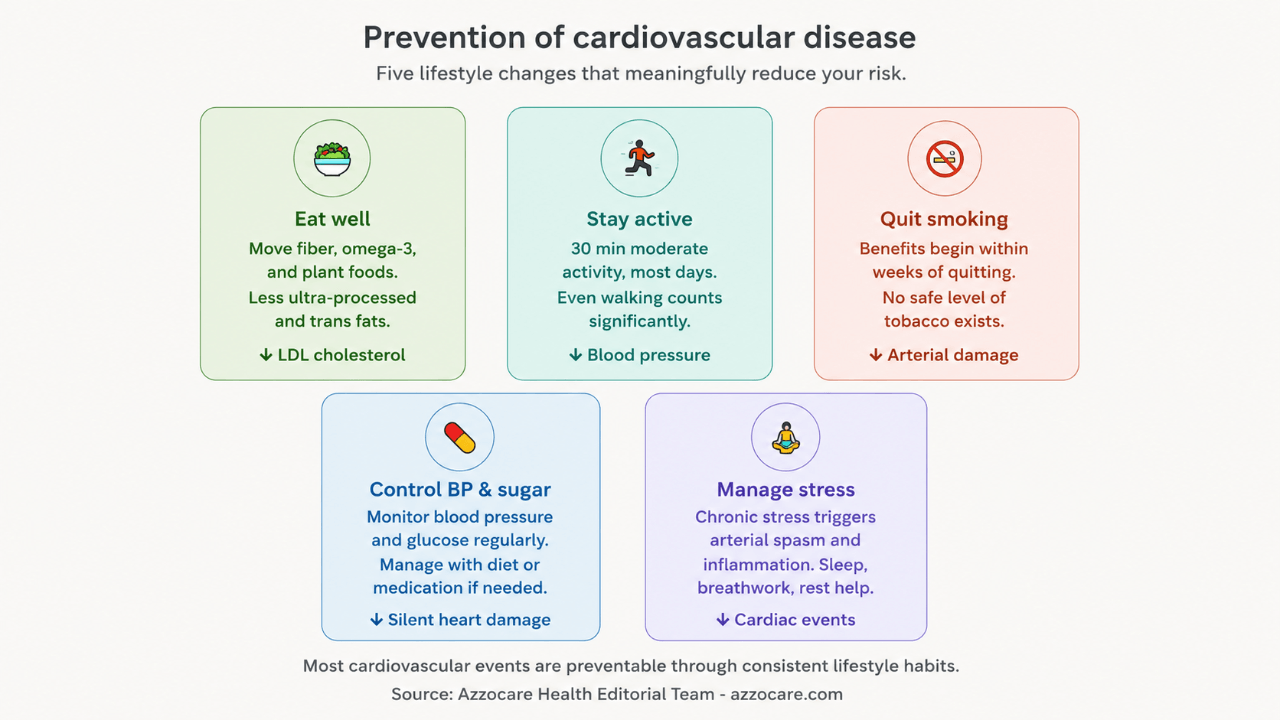
Prevention remains the most powerful tool available. The majority of cardiovascular events are, to a significant degree, preventable through modifiable lifestyle factors.
Diet plays a central role. Reducing ultra-processed foods, refined carbohydrates, and trans fats while increasing fibre, omega-3 fatty acids, and plant-based foods consistently shows benefit. Knowing what to eat for arterial health is a practical starting point for anyone looking to make meaningful dietary changes.
Physical activity is arguably the single most impactful lifestyle intervention. Even moderate-intensity activity — 30 minutes most days — improves cardiac function, reduces blood pressure, and supports healthy cholesterol levels. If you’re not sure where to begin, simple routines you can start at home make it far easier to build the habit.
Smoking cessation produces measurable cardiovascular benefits within weeks of quitting. Blood pressure management and controlling blood glucose levels are equally important in reducing long-term risk. For broader lifestyle strategies for a stronger heart, Azzocare’s dedicated guide covers the full picture in one place.
Common Myths About Cardiovascular Disease — Debunked
Myth: Heart disease is a problem for older men only. Reality: Women develop cardiovascular disease at similar rates to men after menopause. Younger adults — even those in their 30s — can develop significant arterial disease, especially with risk factors like smoking, obesity, or a strong family history.
Myth: If you have no chest pain, your heart is fine. Reality: A substantial proportion of heart attacks are “silent,” producing no classic chest pain. Fatigue, breathlessness, and jaw pain can be the only signs.
Myth: Heart disease runs in the family, so there’s nothing I can do. Reality: Genetics raises risk, but lifestyle modification can significantly reduce actual outcomes — even in those with strong family histories.
Myth: Low cholesterol means a healthy heart. Reality: Cholesterol is one risk factor among many. Inflammation, blood pressure, insulin resistance, and smoking all contribute independently to cardiovascular risk.
What Most People Don’t Know
- Silent ischaemia is more common than reported. Some people experience reduced blood flow to the heart without any pain — the signal simply doesn’t register. This is particularly common in people with diabetes, whose nerve sensitivity is altered.
- Gum disease has a documented link to heart disease. Chronic periodontal inflammation allows bacteria to enter the bloodstream, contributing to arterial inflammation — a fact most patients have never been told.
- Mental stress triggers real cardiac events. Emotional stress can cause the coronary arteries to spasm, temporarily reducing blood flow. This mechanism — called stress cardiomyopathy or Takotsubo syndrome — is more prevalent than once thought.
- South Asians develop heart disease younger. People of Indian, Pakistani, and Bangladeshi origin tend to develop coronary artery disease a decade earlier than Western populations, and at lower cholesterol levels — making awareness especially important in this demographic.
When to See a Doctor
See a doctor promptly if you experience:
- Chest discomfort, pressure, or pain — even if it passes quickly
- Shortness of breath during activities that previously caused no difficulty
- Palpitations lasting more than a few seconds, or accompanied by dizziness
- Unexplained swelling in your legs or ankles
- Sudden fatigue that doesn’t improve with rest
If symptoms are sudden and severe — especially chest pain radiating to the arm or jaw, sudden breathlessness, or loss of consciousness — seek emergency care immediately. For ongoing concerns, a cardiologist is the right starting point. You can view partner hospitals to know your care options in advance. If you’re ready to take the next step, schedule a consultation at a time that works for you.
FAQ
Can cardiovascular disease develop without any symptoms?
Yes. Coronary artery disease in particular can progress silently for years. Plaque builds gradually in arterial walls without triggering obvious symptoms until a vessel becomes significantly narrowed or blocked. This is why routine screening matters, especially for those with risk factors like high blood pressure, diabetes, or a family history of heart disease.
Are heart problem symptoms in females always different from those in males?
Not always, but women are statistically more likely to experience atypical symptoms — nausea, fatigue, jaw pain — rather than classic chest pressure. Awareness of this difference leads to earlier help-seeking and meaningfully better outcomes.
What are the 4 types of heart disease?
The main categories are: coronary artery disease (narrowed arteries), heart failure (reduced pumping function), arrhythmias (irregular heartbeat), and valvular heart disease (damaged or dysfunctional heart valves). Each has its own symptom profile and treatment pathway.
What does treatment for cardiovascular disease typically involve?
Treatment depends on the specific condition but commonly includes lifestyle changes, medications (statins, beta-blockers, ACE inhibitors, blood thinners), and in more advanced cases, procedures like angioplasty, stenting, or bypass surgery.
Can young people get cardiovascular disease?
Yes. While risk increases with age, younger adults are not immune — particularly those who smoke, have hypertension, are obese, have type 2 diabetes, or carry a strong family history of early heart disease. South Asians are at especially higher risk at a younger age.
Conclusion
Cardiovascular disease speaks in a language that is easy to misread — fatigue that seems ordinary, breathlessness that feels like unfitness, swelling that gets blamed on a long day. Learning to distinguish these signals from background noise is not about anxiety; it is about being informed. The earlier warning signs of cardiovascular disease are recognised, the broader the treatment options — and the better the odds of a long, active life. If something feels consistently off, find a cardiologist who fits your needs and take that first conversation seriously.
This article is for informational purposes only and does not constitute medical advice. Always consult a qualified healthcare professional for diagnosis, treatment, or any health-related decisions.