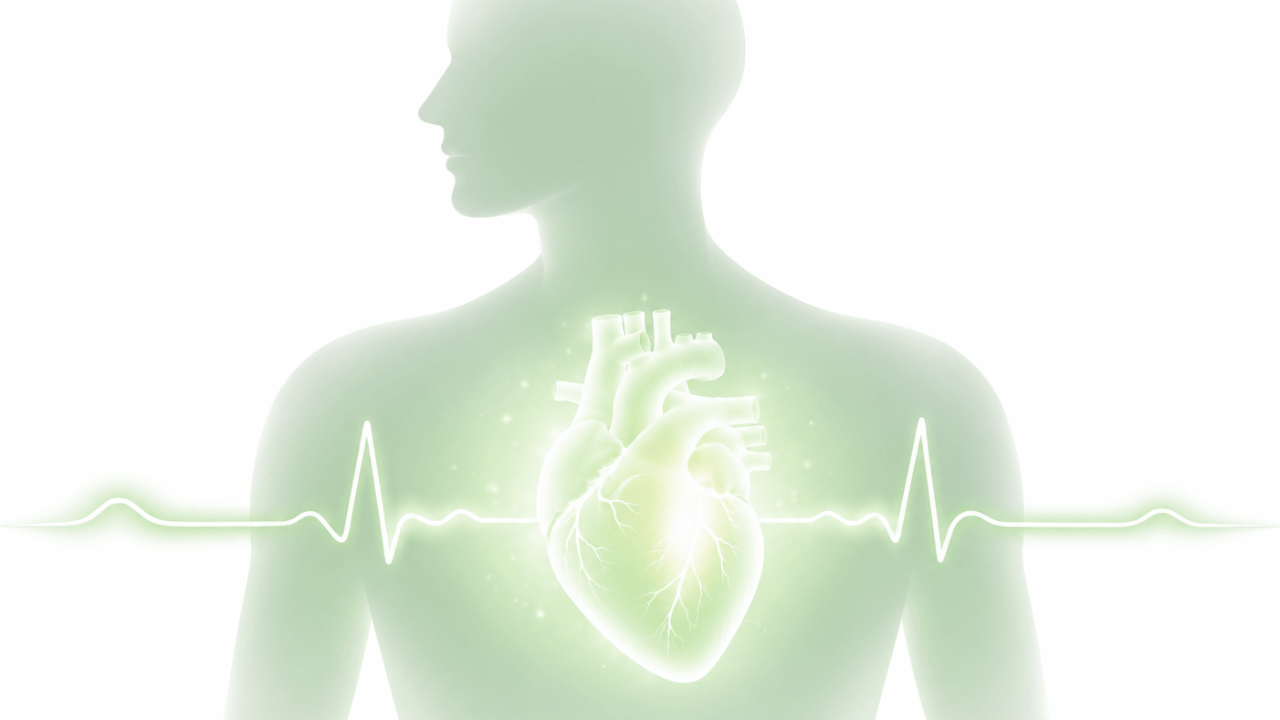
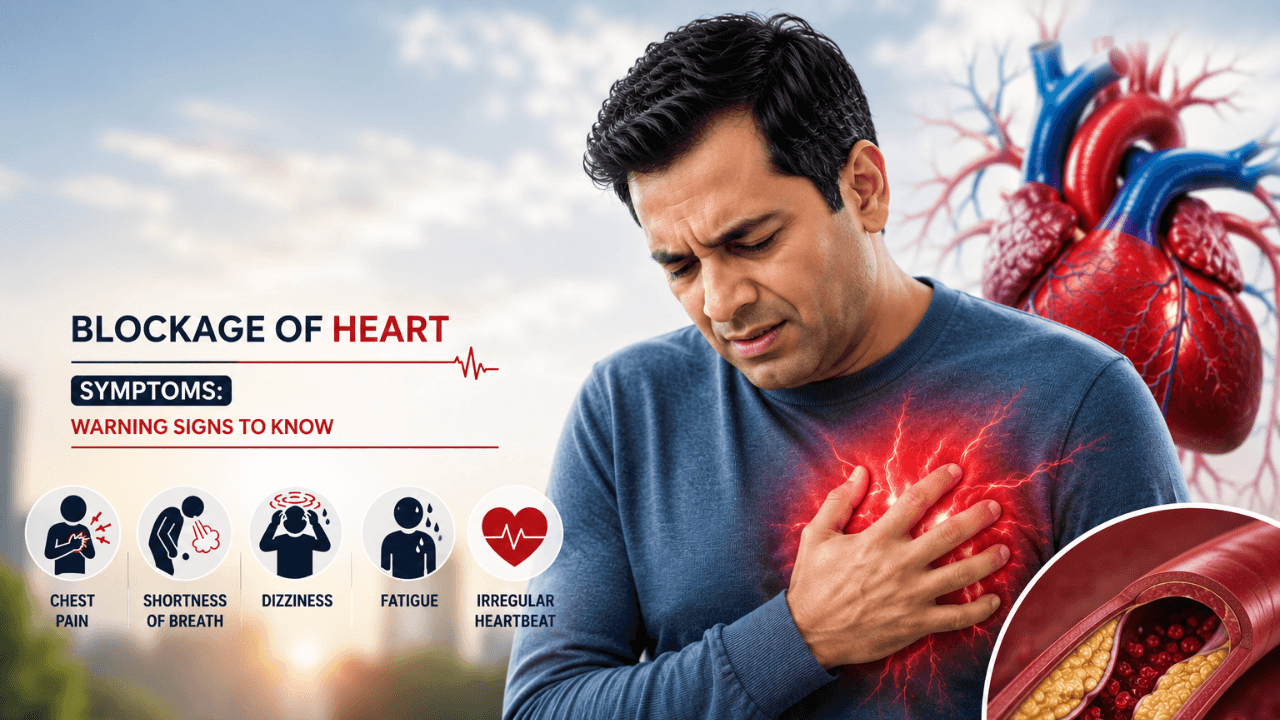
The most common blockage of heart symptoms include chest pain or pressure, shortness of breath, pain radiating to the arm or jaw, unexplained fatigue, dizziness, cold sweats, and heart palpitations. These occur when fatty plaques build up inside the coronary arteries — restricting blood flow to the heart muscle. Symptoms can appear gradually over months or strike suddenly, which is why early recognition is critical.
Blockage of Heart Symptoms: Early Warning Signs You Should Never Ignore
Every year, millions of people experience a heart attack they believed came out of nowhere. In reality, the blockage of heart symptoms were there all along — quiet, easy to dismiss, and frequently mistaken for something far less serious. Understanding these warning signs could be the most important thing you do for your long-term health.
Why Heart Blockage Is More Common Than Most People Realize
A heart blockage, medically known as coronary artery disease (CAD), develops when fatty deposits called plaques accumulate inside the walls of the coronary arteries — the vessels that supply oxygen-rich blood directly to the heart muscle. Over time, these plaques harden and narrow the artery in a process called atherosclerosis, steadily reducing blood flow.
When the heart muscle does not receive enough blood, it sends distress signals. Those signals are what we call the blockage of heart symptoms. The challenge is that many of these signals are subtle, especially in the early stages. People attribute them to stress, ageing, or poor fitness — and by the time a serious event occurs, the opportunity for early intervention has already passed.
What Does a Blocked Artery Feel Like?
This is one of the most frequently searched questions around heart health — and with good reason. The experience varies considerably from person to person, which is part of what makes it so deceptive.
Some patients describe the classic crushing chest pressure. Others feel only a mild discomfort they assume is indigestion. And some — particularly women, elderly patients, and those with diabetes — experience no chest pain whatsoever. For them, the symptoms of blocked arteries in the heart may show up as fatigue, jaw pain, nausea, or breathlessness alone.
This variability depends on how severe the blockage is, which coronary artery is affected, how long the restriction has been developing, and the patient’s individual health profile. It is precisely this range that makes a thorough understanding of all blockage of heart symptoms so important — not just the obvious ones.
Blockage of Heart Symptoms: A Complete Breakdown
Here is a detailed look at the full spectrum of warning signs associated with a blocked coronary artery.
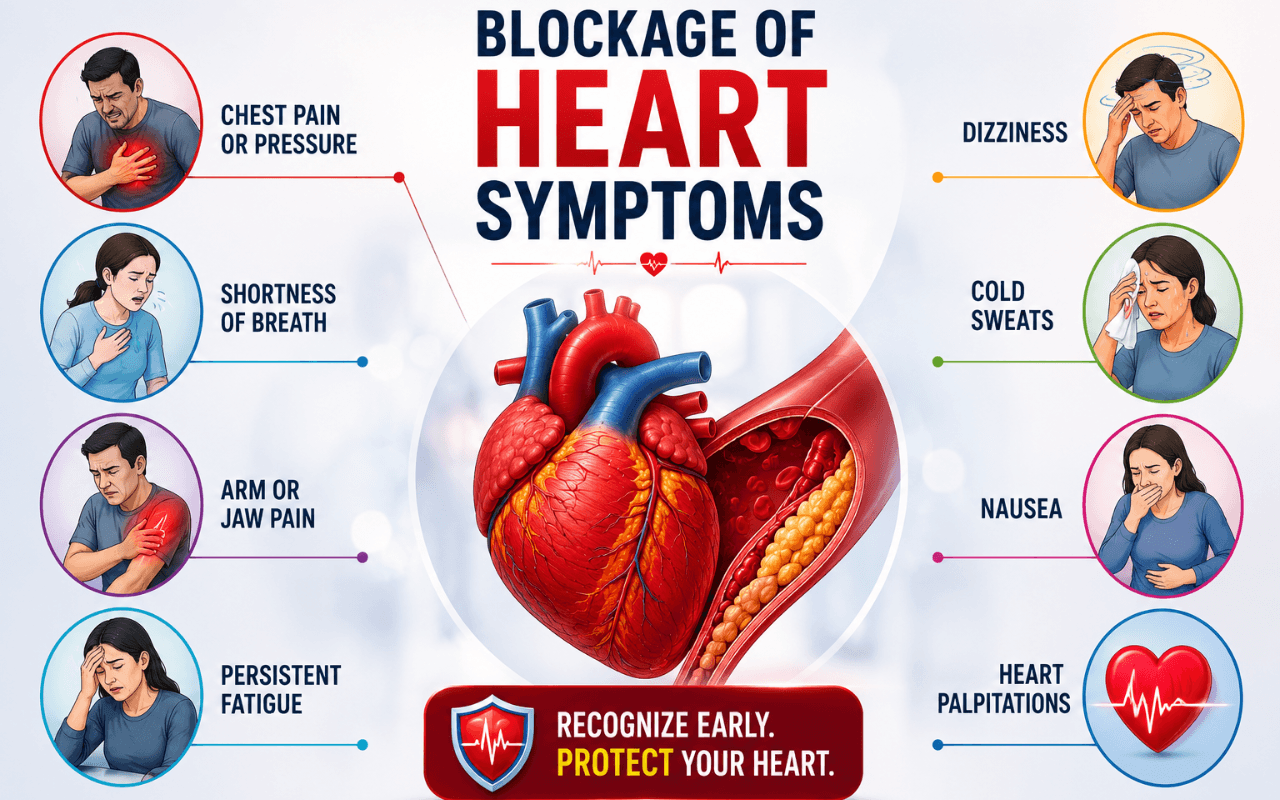
Chest Pain or Pressure A tight, squeezing, or heavy sensation in the centre of the chest. Usually triggered by exertion and relieved by rest. This is medically known as angina and is the most classic symptom of a coronary artery blockage.
Shortness of Breath Breathlessness during activities that never used to cause it — caused by the heart struggling to pump enough blood to meet the body’s needs. Many patients notice this weeks before any chest discomfort appears.
Arm or Jaw Pain Referred pain traveling down the left arm, into the jaw, neck, or between the shoulder blades — without any clear musculoskeletal cause. This is one of the most commonly missed blockage of heart symptoms, especially in women.
Persistent Fatigue A deep, chronic tiredness that does not improve with rest. The heart is working harder than it should, which drains the body’s energy reserves. This kind of fatigue feels different from ordinary tiredness — it lingers regardless of how much sleep you get.
Dizziness Light-headedness or near-fainting, especially during physical activity, when oxygen delivery to the brain is temporarily insufficient due to reduced cardiac output.
Cold Sweats Sudden, unprovoked sweating — not from heat or exercise — triggered by the body’s autonomic stress response to cardiac distress. Many patients describe waking up drenched without explanation.
Nausea Nausea or upper stomach discomfort, particularly in women, is a frequently overlooked cardiac symptom. It is often mistaken for indigestion, a stomach bug, or acid reflux — which is why it delays diagnosis so often.
Heart Palpitations A fluttering, racing, or irregular heartbeat caused by electrical disruption from poor blood supply to the heart’s conduction system. Occasional palpitations are common, but frequent or unexplained ones warrant investigation.
Chest Pain and Heart Blockage: What You Need to Know
Not all chest pain signals a heart problem — but chest pain in the context of heart blockage has a specific character worth knowing. It tends to feel like pressure, tightness, or heaviness rather than a sharp or stabbing pain. It typically comes on during exertion — climbing stairs, carrying groceries, or walking briskly — and eases within a few minutes of rest.
This pattern is called stable angina. When chest pain occurs at rest, lasts longer than 15 minutes, is more severe than usual, or is accompanied by sweating and nausea, it may signal an acute blockage — a medical emergency that requires calling for help immediately, not waiting to see if it passes.
Shortness of Breath and Heart Blockage
When a blocked artery limits the heart’s pumping efficiency, fluid can build up in the lungs — making even simple activities feel surprisingly laborious. Many patients notice they are getting winded climbing stairs or walking distances that never troubled them before. This kind of unexplained breathlessness, especially when it appears alongside fatigue or chest discomfort, should always prompt a cardiac evaluation.
Early Symptoms of Heart Blockage That Are Easy to Miss
The early symptoms of heart blockage are non-specific — meaning they could be explained by many other conditions. This overlap is exactly what makes them dangerous. Watch for these subtle warning signs, particularly if you have known risk factors:
A mild, recurring tightness or discomfort in the chest that comes and goes with activity. Getting unusually winded during physical tasks that never troubled you before. Waking up at night feeling short of breath without an obvious cause. A persistent sense of heaviness or pressure in the upper body or shoulders. Feeling your heart skip a beat or race more frequently than usual. A noticeable drop in exercise tolerance over weeks or months. Mild jaw discomfort or a dull ache in the neck, particularly during physical effort. Chronic, low-grade fatigue that sleep does not resolve.
None of these alone confirms a heart blockage. But when two or more appear together — especially in someone over 40 with risk factors such as hypertension, diabetes, high cholesterol, or a family history of heart disease — a cardiology review is not optional. It is essential.
Who Is Most at Risk of a Heart Blockage?
Understanding who is most vulnerable helps place the blockage of heart symptoms in the right context and underscores why early screening matters even before symptoms appear.
Non-Modifiable Risk Factors Age is the single biggest factor — risk rises sharply after 45 in men and 55 in women. A family history of coronary artery disease significantly raises personal risk, as does being of South Asian ethnicity, which carries a statistically higher CAD risk regardless of other factors. Men face higher risk earlier in life, though women catch up rapidly after menopause.
Modifiable Risk Factors High LDL cholesterol and low HDL cholesterol directly accelerate plaque formation inside the arteries. High blood pressure damages arterial walls, making them more vulnerable. Type 2 diabetes or insulin resistance doubles cardiovascular risk and often masks symptoms. Smoking is one of the most powerful accelerators of atherosclerosis — the process that creates blockages. Obesity, physical inactivity, chronic stress, poor sleep, and a diet high in saturated fats and ultra-processed foods all compound the risk significantly.
The more risk factors present, the more seriously any warning signs should be taken — even if the symptoms seem mild or intermittent.
How Is a Heart Blockage Diagnosed?
If a doctor suspects a coronary artery blockage based on your symptoms or risk profile, they will recommend one or more of the following investigations.
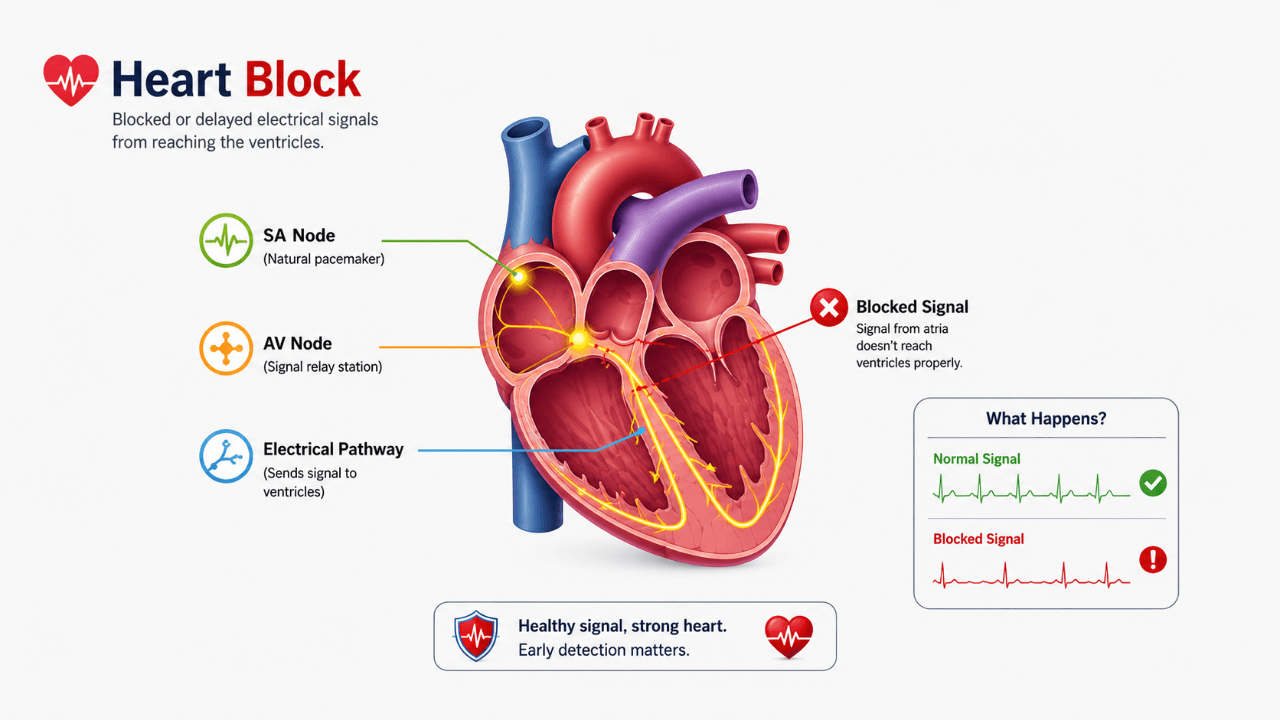
Electrocardiogram (ECG) records the electrical activity of the heart and can detect signs of reduced blood flow, arrhythmias, or evidence of a previous silent heart attack. It is often the first test performed and can be done in minutes.
Stress Test (Treadmill Test) evaluates how the heart behaves under controlled physical exertion. It often reveals blockages that are not apparent when the heart is at rest — making it a particularly valuable tool for diagnosing blockage of heart symptoms that appear only during activity.
Echocardiogram is an ultrasound scan of the heart showing how well it pumps and whether any areas of the muscle are receiving insufficient blood supply due to blocked arteries.
CT Coronary Angiography is a non-invasive imaging test that produces detailed pictures of the coronary arteries, clearly showing the location and severity of any blockages without the need for a catheter.
Invasive Coronary Angiography is the gold standard for diagnosing blocked arteries. A thin catheter is guided through a blood vessel to directly visualize the coronary arteries — and if a significant blockage is found, it can often be treated in the same procedure with angioplasty and stenting.
Blood Tests (Troponin and BNP) measure cardiac biomarkers that rise in the blood when heart muscle cells are damaged. These are essential in diagnosing an acute heart attack and assessing overall cardiac stress.
Treatment Options for a Blocked Heart Artery
The right treatment depends on the severity of the blockage, which artery is affected, and whether a cardiac event is actively occurring. Options range from medication to surgery, and many patients benefit from a combination of approaches.
Medications include statins to lower cholesterol, antiplatelet drugs like aspirin or clopidogrel to prevent blood clots from forming on plaques, beta-blockers to reduce the heart’s workload, and nitrates to relieve angina episodes quickly.
Angioplasty and Stenting (PCI) is a minimally invasive procedure where a balloon catheter is used to open the blocked artery, followed by placement of a small metal stent to keep it open and restore normal blood flow to the heart muscle.
Bypass Surgery (CABG) uses a healthy blood vessel from elsewhere in the body to create a detour around the blocked coronary artery. It is the most definitive treatment for severe or multi-vessel disease where multiple arteries are significantly narrowed. Patients are often concerned about the cost of bypass surgery before deciding on treatment.
Beyond these interventions, cardiac rehabilitation — a structured programme of supervised exercise, education, and lifestyle support — plays a crucial role in recovery and significantly reduces the risk of a future cardiac event.
When to See a Doctor
See a doctor promptly — ideally within 24 to 48 hours — if you experience chest discomfort, pressure, or tightness that comes on with activity and eases with rest. The same applies to shortness of breath during activities that never caused it before, pain or heaviness in the arm, jaw, neck, or upper back without a clear cause, recurring dizziness or light-headedness without explanation, persistent unexplained fatigue lasting more than two weeks, or frequent palpitations and a racing heartbeat.
Call emergency services immediately if chest pain is severe, lasts more than 15 minutes, or occurs at rest — particularly if accompanied by sweating, nausea, or pain in the arm or jaw. Do not drive yourself to hospital. Time is muscle: every minute of delay during an acute heart attack means more permanent heart tissue is lost.
Alongside medical evaluation, building a consistent movement routine can meaningfully reduce your cardiac risk. Learn which exercises for heart health at home are safest for people managing blockage symptoms.
Can a Heart Blockage Be Prevented?
In many cases, yes — significantly. While genetics play a meaningful role, the majority of coronary artery disease is driven by lifestyle factors that can be changed with sustained effort. The evidence for prevention is strong and consistent across decades of research.
Adopt a heart-healthy diet rich in vegetables, whole grains, legumes, nuts, and healthy fats — and significantly reduce ultra-processed foods and saturated fat. Choosing nutrient-dense foods that support healthy arteries may further improve circulation and cardiovascular function over time. Engage in at least 150 minutes of moderate aerobic exercise each week. Quit smoking — it is the single most impactful lifestyle change for most patients at risk. Keep blood pressure, cholesterol, and blood sugar within healthy ranges through regular monitoring and, where needed, medication. Maintain a healthy body weight and reduce central obesity. Manage chronic stress through mindfulness, adequate sleep, and social connection — all of which have measurable effects on cardiovascular health.
For anyone with multiple risk factors, a preventive cardiology consultation is worth pursuing before blockage of heart symptoms ever appear. Early screening tests — particularly a coronary calcium score — can detect subclinical disease years before it causes problems, opening a valuable window for intervention.
Understanding how to improve heart health naturally through exercise, diet, stress management, and better sleep can play a major role in reducing the long-term risk of blocked arteries and heart disease.
Frequently Asked Questions
What are the first signs of a heart blockage?
The earliest blockage of heart symptoms often include mild chest tightness or discomfort during exertion, unusual fatigue that rest does not resolve, and slight breathlessness during activities that previously felt effortless. These early signs can appear weeks or months before a cardiac event and are easy to mistake for stress or poor fitness — which is exactly why knowing them matters.
Can a heart blockage go undetected for years?
Yes. Many people live with partial coronary artery blockages for years with no obvious symptoms — a condition known as silent ischemia. This is one reason why regular health screenings are recommended for adults over 40, particularly those with diabetes, hypertension, high cholesterol, or a family history of heart disease. A coronary calcium score test can detect early blockages before symptoms develop.
Is jaw pain a sign of heart blockage?
Yes. Jaw pain — particularly in the lower jaw — can be a referred symptom of a blocked coronary artery. It is more common in women and diabetic patients and is frequently mistaken for a dental issue. When jaw pain appears alongside breathlessness, chest discomfort, or cold sweats, it should be treated as a potential cardiac emergency until proven otherwise.
How is a heart blockage different from a heart attack?
A heart blockage refers to a narrowed or partially obstructed coronary artery that restricts — but does not fully cut off — blood flow to the heart. This causes symptoms like angina and breathlessness. A heart attack occurs when a blockage becomes complete, abruptly stopping blood supply to a section of the heart muscle and causing permanent damage. A blockage can exist for years before triggering a heart attack.
What tests confirm a heart blockage?
The most definitive tests are CT coronary angiography and invasive coronary angiography. Supporting investigations include an ECG, cardiac stress test, echocardiogram, and blood tests for cardiac biomarkers such as troponin and BNP. Your cardiologist will determine which combination is most appropriate based on your symptoms and risk profile.
Final Thoughts
Recognizing blockage of heart symptoms is not just about avoiding an emergency — it is about protecting your quality of life for decades to come. A blocked artery that is caught early can be treated effectively. One that goes unrecognized can permanently damage the heart or take a life.
The signs are often there long before a crisis. A little breathlessness on the stairs. Jaw pain you assumed was dental. Fatigue you put down to a busy week. These quiet signals deserve attention — and acting on them early is always the right decision.
If you have noticed any of these symptoms — even mild ones — do not wait. Book a cardiac evaluation and give your heart the attention it deserves.