
Bone Marrow Transplant Cost in India
Compare cost by transplant type, understand the procedure, and get a free personalised estimate from India's accredited transplant centres within 48 hours.
Top Hospitals
for Bone Marrow Transplant
Find accredited hospitals with dedicated transplant units, sterile care wards, and experienced hematology teams.
Explore Hospitals →Top Doctors
for Bone Marrow Transplant
Connect with internationally trained hematologists and transplant specialists with proven outcomes.
Find Doctors →| Treatment Information | Details |
|---|---|
| Condition Type | Blood Cancers & Bone Marrow Disorders |
| Procedure Name | Bone Marrow Transplant (Stem Cell Transplant) |
| Duration | 6-8 Weeks (Full Process, Including Recovery) |
| Treated By | Hematologist / Transplant Specialist |
Bone Marrow Transplant Cost in India — Overview
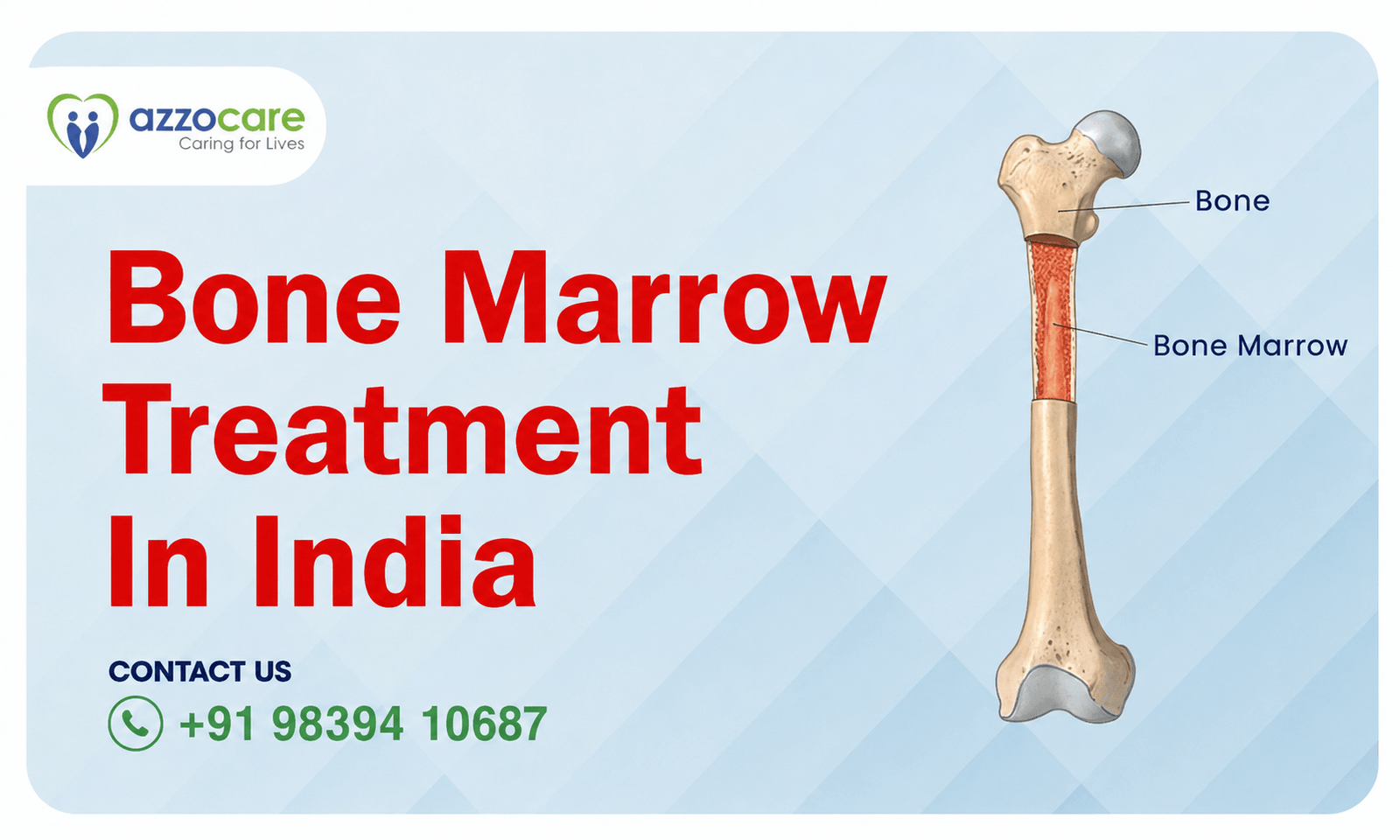
The bone marrow transplant cost in India typically falls between $24,000 and $32,000, making India one of the most affordable destinations globally for this complex, life-saving procedure. The exact bone marrow transplant cost in India depends on the transplant type, whether a matched donor is readily available, hospital tier, and length of hospital stay.
India's leading transplant centres combine accredited sterile care units, experienced hematologists, and structured post-transplant monitoring — helping international patients access advanced blood cancer and bone marrow disorder treatment at a fraction of Western costs.
What Is a Bone Marrow Transplant?
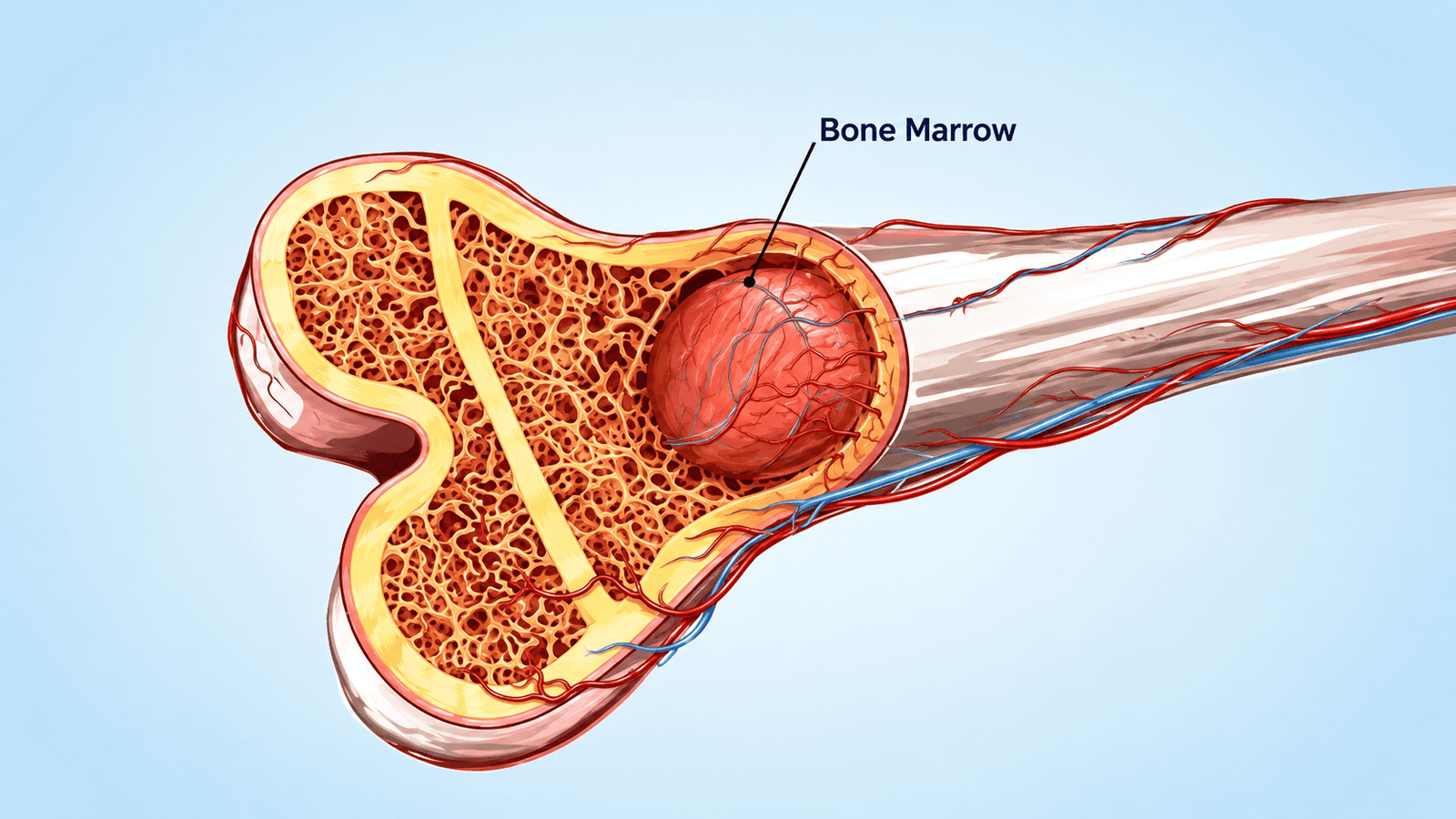
A bone marrow transplant replaces damaged or diseased bone marrow with healthy blood-forming stem cells, allowing the body to produce normal blood cells again. It's used to treat various blood cancers and bone marrow disorders, including leukemia, lymphoma, multiple myeloma, aplastic anemia, thalassemia, and certain immune deficiency conditions. The procedure may follow high-dose chemotherapy or radiation that clears out diseased marrow to make way for the new, healthy cells.
Who May Need A Bone Marrow Transplant?
- Diagnosis of leukemia, lymphoma, or multiple myeloma not responding to standard treatment
- Bone marrow failure conditions such as aplastic anemia
- Inherited blood disorders, including thalassemia and sickle cell disease
- Certain inherited immune system deficiencies
- High relapse risk after chemotherapy alone, where a transplant offers better long-term control
- A suitable donor match identified, or eligibility for an autologous (self-donor) transplant
Why a Bone Marrow Transplant is Required For Patients Suffering From Blood Disorders?
Healthy bone marrow is what allows the body to continuously produce red blood cells, white blood cells, and platelets. When blood cancers or bone marrow disorders damage this system — either through the disease itself or the high-dose chemotherapy and radiation used to treat it — the marrow can no longer make enough healthy blood cells on its own.
A bone marrow transplant replaces this damaged marrow with healthy, blood-forming stem cells, giving the body a fresh source from which to rebuild normal blood production. For many blood disorders, it isn't just a treatment that manages symptoms — it directly restores the marrow's core function, which is why it's often the only path to long-term remission or a cure for conditions like leukemia, aplastic anemia, and certain inherited blood disorders.
Types of Bone Marrow Transplant
Autologous Transplant
Uses the patient's own stem cells, collected and frozen before high-dose treatment, then reinfused afterward. This avoids donor-matching issues and rejection risk, making it a common option for conditions like multiple myeloma and certain lymphomas.
Allogeneic Transplant
Uses stem cells from a genetically matched donor — usually a sibling, or a matched unrelated donor found through a registry when no family match is available. This approach can also help the new immune system target any remaining cancer cells.
Umbilical Cord Blood Transplant
Uses stem cells collected from donated umbilical cord blood. This option is considered when no matched donor is available, though engraftment (the new cells taking hold) can take longer than with other sources.
Bone Marrow Transplant Cost in India by Type
| Transplant Type | Approx. Cost (USD) |
|---|---|
| Autologous Bone Marrow Transplant | $22,000 – $26,000 |
| Umbilical Cord Blood Transplant | $24,000 – $28,000 |
| Allogeneic Transplant (Sibling Donor) | $26,000 – $30,000 |
| Allogeneic Transplant (Unrelated Donor) | $30,000 – $38,000 |
Cost Breakdown of Bone Marrow Transplant in India
| Cost Component | Approx. Cost (USD) |
|---|---|
| Pre-Transplant Evaluation & Donor Matching | $1,500 – $3,000 |
| Conditioning (Chemotherapy/Radiation) | $3,000 – $5,000 |
| Transplant Procedure & Hospital Stay | $18,000 – $24,000 |
| Post-Transplant Care & Medication (First 100 Days) | $2,000 – $4,000 |
*Figures are indicative starting estimates. Your exact bone marrow transplant cost in India depends on your case — request a personalised quote after sharing your reports.
Bone Marrow Transplant Cost in India vs Other Countries
| Country | Approx. Cost (USD) |
|---|---|
| India | $24,000 – $32,000 |
| United States | $80,000 – $170,000 |
| Germany | $50,000 – $100,000 |
| Turkey | $32,000 – $65,000 |
Choosing India for a bone marrow transplant means combining major cost savings — often 70-85% less than the US — with experienced transplant teams at accredited hospitals.
Factors Affecting the Bone Marrow Transplant Cost in India
- Transplant type — autologous, allogeneic, or cord blood
- Donor matching — family match vs. registry search for unrelated donors
- Pre-transplant chemotherapy — some conditions need multiple rounds before transplant
- Hospital and city — accreditation level and local operating costs
- Length of hospital stay — complications can extend recovery time
- Post-transplant care — medications and monitoring in the following months
How the Bone Marrow Transplant Procedure Works
Before the transplant: You'll undergo tests to confirm your condition and, for allogeneic transplants, donor matching through HLA typing. Conditioning with chemotherapy or radiation clears diseased marrow to prepare your body for the new cells.
During the transplant: The healthy stem cells are infused into your bloodstream through an IV line, much like a blood transfusion. The cells travel to the bone marrow on their own, where they begin producing new, healthy blood cells over the following days and weeks.
After the transplant: You'll be closely monitored in a sterile care unit while your blood counts recover, typically over several weeks. Full immune system recovery can take several months, with regular follow-up to track progress and manage any complications.
Possible Complications
| Complication | Description |
|---|---|
| Infection | Increased risk while the immune system rebuilds; managed with preventive antibiotics and isolation protocols |
| Graft-versus-Host Disease | In allogeneic transplants, donor immune cells may react against the patient's tissue |
| Graft Failure | Rare; the new stem cells fail to engraft, sometimes requiring a second transplant |
| Low Blood Counts | Temporary drop in red cells, white cells, and platelets during recovery |
According to the National Cancer Institute, stem cell transplants can take several months to complete, from conditioning through the recovery phase, with regular blood count monitoring throughout.
How Azzocare Helps International Patients
Azzocare connects international patients with verified hematologists and JCI-accredited transplant centres across Delhi NCR, managing every step at no extra cost:
- Free medical opinion and itemised cost estimate within 48 hours of sharing your reports
- Medical visa documentation and travel planning support
- Accommodation arranged for accompanying family members near your hospital
- Interpreter support throughout consultations and admission
- A dedicated case manager from first contact through post-transplant follow-up
Whether you're comparing the bone marrow transplant cost in India against other countries or ready to start donor matching, our care team can shortlist the right hospital and specialist for your case before you travel.
Frequently Asked Questions
What is the bone marrow transplant cost in India?
The bone marrow transplant cost in India typically ranges from $24,000 to $32,000, depending on the transplant type (autologous, allogeneic, or cord blood), donor matching needs, hospital tier, and length of hospital stay.
What is the success rate of bone marrow transplant in India?
Success rates for bone marrow transplant in India range from around 80-95%, depending on the underlying condition, donor match quality, patient age, and overall health before transplant.
How long do I need to stay in the hospital after a bone marrow transplant?
Most patients are hospitalised for 25-30 days, covering the conditioning phase, the transplant itself, and the initial recovery period while blood counts stabilise under close monitoring.
What is the total recovery time after a bone marrow transplant?
Initial recovery takes around 3-4 months, though full immune system recovery and return to normal activity can take up to a year, depending on the transplant type and individual response.
What are the different types of bone marrow transplant?
The three main types are autologous (using the patient's own stem cells), allogeneic (using a matched donor's cells), and umbilical cord blood transplant (using stem cells from donated cord blood) — the right type depends on the diagnosis and donor availability.
Are there risks associated with bone marrow transplant in India?
As with any transplant, risks include infection, graft-versus-host disease (in allogeneic transplants), graft failure, and low blood counts. Accredited hospitals follow strict protocols to monitor and manage these risks closely.
Do I need a companion during my hospital stay?
Yes, a companion is generally required for bone marrow transplant due to the extended hospital stay and recovery monitoring involved. Azzocare's team can help arrange accommodation for accompanying family members.
How soon can I travel home after a bone marrow transplant?
Most international patients stay in India for 6-8 weeks total, including pre-transplant evaluation, the transplant and hospital stay, and follow-up monitoring before their care team confirms it's safe to fly home.
What if a matched donor isn't available within the family?
If no family match is found, hospitals can search national and international donor registries, or consider umbilical cord blood or haploidentical (half-matched) transplant options depending on the patient's condition.
Will insurance cover bone marrow transplant costs in India?
Coverage varies by insurer and policy. Azzocare's team can help you understand documentation needed for insurance claims, though we recommend confirming coverage details directly with your insurance provider.
What tests are needed before a bone marrow transplant?
Pre-transplant evaluation typically includes blood tests, imaging, organ function tests, donor matching (HLA typing), and a general health assessment to confirm you're fit for the conditioning process.
Does Azzocare charge for arranging a bone marrow transplant in India?
No. All of Azzocare's services — medical opinion, cost estimate, visa assistance, airport pickup, and case coordination — are completely free for patients. You only pay the hospital's standard treatment cost.
What Our Patients Say
Real experiences from patients treated with bone marrow transplant through Azzocare.
My son's leukemia treatment needed a transplant urgently. Azzocare found a matched hospital within days and coordinated everything while we focused on him.
The cost breakdown by transplant type helped us plan financially before travelling. My autologous transplant went exactly as the team explained, no surprises.
No matched donor in our family, so the hospital searched the registry. It took time but the coordination and communication from Azzocare never wavered.
Being in the hospital for a month was daunting, but the transplant unit staff and my hematologist made my mother feel cared for every single day.
Comparing costs against the US made this decision easy for our family. Same quality of transplant unit, verified hospital, at a price we could actually afford.
Six months post-transplant and my blood counts are stable. Grateful for the case manager who followed up with us even after we flew back home.
Related Pages

Mohammad Nafis Khan is an SEO and digital marketing professional with over 5 years of experience creating search-optimized, patient-focused content for healthcare and medical websites. He follows E-E-A-T principles to make complex healthcare topics clear and accessible, structuring articles around what patients actually search for.
Read full bio
Dr. Md Ehsanullah is a physician with 4+ years of clinical experience in internal and general medicine. He completed his MBBS and MD from Asian Medical University, Kyrgyzstan, and currently practices at VMMC & Safdarjung Hospital, New Delhi. He reviews Azzocare's healthcare content for clinical accuracy, ensuring medical information aligns with current best practices and E-E-A-T principles.
Read full bio