Foods to Avoid with Pancreatic Cancer: A Practical, Situation-by-Situation Guide
Searching for foods to avoid with pancreatic cancer often leads to a confusing pile of rules. One page says cut all fat. Another says eat more of it. A relative says sugar feeds the tumor. A neighbor swears by a juice cleanse.
The honest answer is more nuanced, and more reassuring. Very few foods are off-limits for everyone. What you should limit depends on your symptoms, your treatment stage and whether you have had surgery. For many people, the bigger danger is not eating the “wrong” food. It is not eating enough.
This guide walks through the situations where certain foods do cause trouble: digestive symptoms, chemotherapy, Whipple surgery, pancreas-related diabetes, and supplements. It is written for patients and caregivers, including families planning treatment in India. It does not replace advice from your own oncology team.
Quick Answer: Foods to Avoid with Pancreatic Cancer
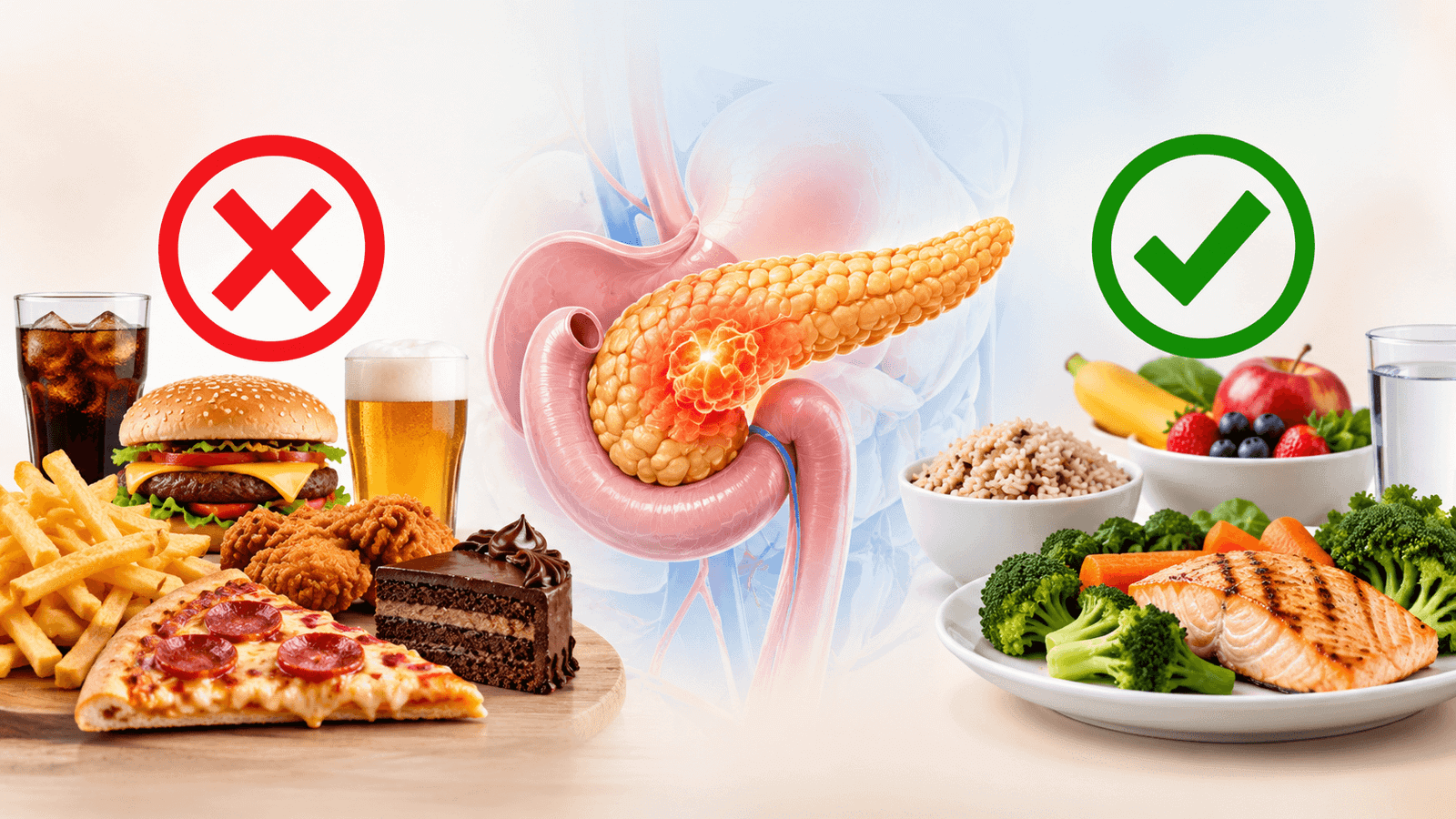
There is no single avoid list. The foods most often limited are greasy or fried foods, hot and spicy dishes, and high-fiber or gas-causing foods, but only when they worsen your symptoms. Sugary drinks may need limiting if your blood sugar runs high or after Whipple surgery. Raw or undercooked animal foods are avoided when chemotherapy lowers your white blood cell count. Alcohol, unproven supplements and grapefruit should be cleared with your oncologist first. If you are losing weight, do not cut fat or calories on your own. Ask about pancreatic enzyme replacement and see an oncology dietitian.
Key Takeaways
- No food list fits every person with pancreatic cancer. Symptoms and treatment stage decide what to limit.
- Weight loss and malnutrition are major concerns, so strict restriction can backfire.
- Greasy, very spicy and high-fiber foods are common triggers, and dairy is a trigger if you are lactose intolerant.
- During chemotherapy, food safety matters most when white blood cell counts are low.
- After Whipple surgery, limit fatty, fibrous and sugary foods for the first weeks, then reintroduce them gradually.
- Sugar does not make cancer grow faster, but it can matter for blood sugar and dumping syndrome.
- Tell your care team about every supplement and herbal remedy before you take it.
Why There Is No One-Size-Fits-All Avoid List
The pancreas does two jobs, and cancer can disturb both. That is why a food that bothers one person is fine for another, and why the best advice comes from a dietitian who knows your case.
How the pancreas affects digestion
Your pancreas makes enzymes that break down fat, protein and carbohydrate so your body can absorb them. A tumor, especially one that blocks the pancreatic duct, can reduce these enzymes. Doctors call this exocrine pancreatic insufficiency. A 2024 clinical review describes it as common in pancreatic cancer. When it goes untreated, it can worsen weight loss, muscle loss and nutrient shortages, and may make cancer treatment harder to tolerate.
The usual treatment is pancreatic enzyme replacement therapy (PERT). These are capsules taken with meals and snacks, with the dose set by your doctor or dietitian. Warning signs include loose stools, pale and oily stools that are hard to flush, bloating, and weight loss even when you are eating well. If you notice these, tell your team. A gastroenterology specialist can help assess digestion problems.
Why weight loss is the bigger risk
Research links weight loss and malnutrition in pancreatic cancer to lower quality of life and poorer overall outcomes. PanCAN, the Pancreatic Cancer Action Network, states the nutrition goal plainly: get enough fluids, calories, protein, vitamins and minerals to keep a healthy weight and feel your best.
That goal changes how you read any avoid list. A rule that sounds sensible, such as “no oil at all,” can quietly take away calories you need.
Why the advice you hear keeps conflicting
PanCAN lists high-fat, spicy and high-fiber foods as ones that can cause discomfort. Some UK patient guidance, on the other hand, says no foods need to be avoided by everyone, and notes that people trying to regain weight may need higher-fat foods with their enzyme dose increased.
Both can be true. The first describes foods that may worsen symptoms. The second reminds you not to ban foods that your body tolerates. The practical rule is this: limit a food when it causes you trouble, not because a list says so.
Foods That Often Worsen Digestive Symptoms
If you feel nauseated, bloated or have loose stools after eating, these are the usual suspects. Not every item will affect you.
Greasy, fried and extra-rich foods
PanCAN includes fried foods, foods with added butter or oil, full-fat dairy, rich desserts and many fast foods among those that can cause discomfort. In an Indian kitchen, that might mean deep-fried snacks such as samosas, pakoras and puris, ghee-heavy or cream-based gravies, and rich sweets.
Before you cut these out, check your weight. If it is falling, ask your dietitian whether enzymes and smaller, more frequent portions would work better than strict restriction. Spreading some fat through the day, rather than eating it in one heavy meal, is often easier on digestion.
Hot, spicy foods and strong smells
PanCAN and a UCLA dietitian both mention spicy foods, particularly those with garlic, onions or hot peppers, as common triggers. Chili does not harm the cancer. It can simply irritate a sensitive stomach.
Strong cooking smells can also set off nausea. Many people find cold or room-temperature foods easier because they give off less aroma. If someone else can cook while you rest, that helps too.
High-fiber and gas-causing foods
Fiber is healthy for most people, but PanCAN lists high-fiber foods as ones that may bother you during pancreatic cancer. Think bran cereals, raw salads, seeds, and skins on fruit and vegetables. Beans, cabbage and fizzy drinks commonly cause gas for many people. Hospital guidance after surgery asks patients to go easy on them early on, as covered below.
This does not mean fiber is forbidden for life. It means swapping to gentler options while diarrhea, bloating or surgery recovery lasts.
Dairy, if you are lactose intolerant
PanCAN lists milk and dairy products as foods to avoid only if you are lactose intolerant. Some people develop this intolerance during treatment or after surgery, and it may settle later. If milk makes you gassy or loose, try small amounts, lactose-free versions or other protein sources, and mention it to your dietitian.
Keep a food-and-symptom diary
The most reliable “avoid list” is your own. A PanCAN dietitian suggests keeping a diary of what you eat and how you feel, so you can spot patterns of foods that make symptoms worse, better or no different. Write down the food, the portion, the time and any symptoms. Bring the diary to appointments.
Foods to Avoid During Chemotherapy: Food Safety
Chemotherapy can lower the number of white blood cells that fight infection. According to the American Cancer Society, when your counts are low, food safety becomes important because infections are easier to catch.
For that period, the American Cancer Society advises avoiding raw or soft-cooked eggs and foods that contain raw egg, unpasteurized dairy, raw honey, raw nuts or fresh nut butters, and raw fruits and vegetables. It also advises avoiding fresh-squeezed juices from restaurants. Other hospital guides add raw or undercooked meat, fish and shellfish, raw sprouts, and buffets or salad bars.
Lists differ slightly between hospitals, so follow the one your own team gives you.
Everyday food safety, including eating out
The same logic applies to local settings. Home-cooked food that is freshly made and eaten soon after cooking is safer than food that has sat out for hours. Oxford University Hospitals advises against reheating food more than once. If you are in a low-count period, roadside juice stalls, raw toppings on chaat and buffet counters are the kind of food to skip.
When these restrictions apply
They are usually tied to low white blood cell counts, not to the whole of treatment. Your team checks your blood and will tell you when to start and stop. Ask them directly, so you are not restricting more than needed while you are trying to maintain your weight.
Foods to Avoid After Whipple Surgery
The Whipple procedure removes part of the pancreas and nearby digestive organs, including part of the stomach, the first part of the small intestine and the gallbladder, according to Nova Scotia Health’s patient guide. Digestion changes as a result. Surgical oncology teams at hospitals such as BLK-Max and Medanta will give you a post-surgery plan, and it should take priority over any general list.
The first weeks
The Nova Scotia guide suggests that for about the first four weeks you limit high-fat, fried and greasy foods, limit high-fiber foods, and avoid foods that cause gas. Feeling full after a few bites is normal early on. Smaller, more frequent meals and drinking fluids 30 minutes before or after meals, instead of with them, can help.
Dumping syndrome and sugary foods
Dumping syndrome happens when food moves too quickly into the small intestine. Symptoms can start within 10 to 30 minutes of eating and include nausea, cramps, diarrhea and feeling faint or overly full. The same guide advises avoiding sweets, eating smaller meals and lying down after eating if you have it. Sugary drinks and sweets are common triggers, so many guides suggest limiting them or diluting juice with water.
Reintroducing foods
Most people add the limited foods back gradually, one at a time, after the early period. If a food causes trouble, wait a week or two and try again. Some weight loss is common after surgery, but tell your team if you are still losing weight beyond the first month. A free second opinion can also help you review a surgical plan before you decide.
Sugar, Diabetes and Pancreatic Cancer
Sugar does not make pancreatic cancer grow faster, but it can matter for your blood sugar. These are two different questions, and mixing them up causes a lot of needless guilt.
Does sugar “feed” cancer?
Major cancer organizations, including the American Cancer Society and the National Cancer Institute, say there is no evidence that eating sugar directly makes cancer grow faster. Every cell in your body uses glucose, and cutting sugar does not starve a tumor. Excess sugar can add calories and weight gain over time, which is a separate concern.
Type 3c diabetes and why blood sugar matters
Your pancreas also makes insulin. Pancreatic cancer or surgery can disturb it, leading to a form of diabetes called type 3c. Pancreatic Cancer UK notes that blood sugar may go too high or too low, and that most people with it need to monitor their levels. It also cautions against managing type 3c by cutting carbohydrate, and notes that sugary drinks between meals can cause a sharp rise.
If you have diabetes, work out a plan with your diabetes team and dietitian rather than following a generic “diabetic diet.”
| Common belief | What the evidence says |
|---|---|
| Sugar makes the cancer grow faster | No direct evidence; cells use glucose regardless of sugar intake |
| Everyone with pancreatic cancer must avoid all fat | Not a universal rule; enzymes and dietitian guidance matter, especially if you are losing weight |
| Cutting carbohydrate controls type 3c diabetes | Pancreatic Cancer UK cautions against this approach; follow your diabetes team’s plan |
Alcohol, Supplements and Grapefruit
These are not everyday foods, but they come up in almost every family conversation.
Alcohol
PanCAN advises keeping alcohol intake low. Separately, a pooled analysis of 14 cohort studies found a slight increase in the risk of developing pancreatic cancer at about 30 grams of alcohol a day or more. That is risk research, not advice for treatment, but it points in the same direction. Alcohol can also interact with some medicines, so ask your oncologist what is safe for you.
Herbal products and antioxidant supplements
It is natural to want to “boost immunity” during treatment. The National Cancer Institute’s patient information reports that some studies found a higher risk of death and a lower chance of staying cancer-free when antioxidant supplements were used during chemotherapy and radiation. A review of herb-drug interactions advises oncologists to recommend avoiding supplements with antioxidant effects during treatment until evidence is clearer.
Eating fruit, vegetables and tea as normal food is different from taking high-dose capsules or powders. Tell your oncologist or hospital pharmacist about everything you take, including herbal powders, kadha and other traditional remedies.
Grapefruit
Grapefruit juice is a well-known example of a food that can interfere with how the body processes certain medicines. Whether it matters depends on the specific drugs you take, so ask your pharmacist instead of assuming it is safe or unsafe.
What to Eat Instead: Simple Ideas When Appetite Is Low
Avoid lists only tell you half the story. If you are struggling to eat, these ideas can help:
- Eat small portions every two to three hours instead of three big meals.
- Add protein to every meal or snack, such as well-cooked eggs, dal, fish or chicken if you eat them, or tofu.
- Try soft, easy-to-digest foods such as khichdi, soft idli or well-cooked vegetables. PanCAN notes that foods rich in pectin, such as bananas and stewed apples, are less likely to aggravate digestion.
- If food tastes strange, focus on foods you like. PanCAN suggests adding salt, vinegar or lemon juice to foods that taste too sweet, or a little sweetness to foods that taste too salty.
- Take enzymes as prescribed with meals, snacks and milky drinks.
- If food alone is not enough, ask about nutritional supplement drinks.
When to Call Your Care Team
Contact your oncology team or dietitian promptly if you notice:
- Continued weight loss despite eating
- Pale, oily stools that are hard to flush, or persistent diarrhea
- Vomiting that stops you keeping food or fluids down
- Signs of dehydration, such as dizziness or very dark urine
- Symptoms of blood sugar that is too high or too low
- Fever or chills during chemotherapy
Frequently Asked Questions
Can diet cure pancreatic cancer?
No. No food or diet has been shown to cure pancreatic cancer, and no eating plan replaces surgery, chemotherapy, radiation or other treatment your oncologist recommends. What good nutrition can do is help you keep your weight, strength and energy, which may help you cope with treatment. Be cautious about any website or person promising otherwise, and tell your care team about any special diet you are considering.
Should I cut out fat completely?
Usually not. Greasy or fried foods can worsen nausea, bloating and loose stools, so some people feel better eating less of them. But if you are losing weight, cutting fat removes calories you may need. Many people with pancreatic cancer take pancreatic enzyme capsules with meals to help digest fat, and the dose is set by your doctor or dietitian. Ask before restricting fat on your own, especially if your weight is falling.
Do I have to give up eggs, rice, dairy and non-vegetarian food?
Some UK patient guidance states that no foods need to be avoided by everyone with pancreatic cancer. Needs differ. Dairy may be a problem if you are lactose intolerant. During chemotherapy with low white blood cell counts, eggs and meat should be fully cooked. After Whipple surgery, fatty or fried versions may be harder to digest at first. Avoid dropping whole food groups without guidance from your dietitian.
Is sugar off limits?
Sugar does not make cancer grow faster, according to major cancer organizations, so you do not need to cut it out to “starve” the tumor. Still, sugary drinks and sweets can spike blood sugar if you have diabetes, and sweets can trigger dumping syndrome after Whipple surgery. If your appetite is poor, some people need the calories. The practical approach is to match sugar intake to your blood sugar, your symptoms and your care team’s advice.
Can I drink tea or coffee?
There is no general ban. Some hospital guidance suggests limiting caffeine if you have diarrhea, because it can make it worse. Tea and coffee with several spoons of sugar also add up if your blood sugar is high, and drinking them instead of meals can crowd out food when appetite is low. If you tolerate them well, ask your team whether they are fine for you. If they trigger symptoms, cut back and tell your dietitian.
Are fruits and fruit juices safe?
Whole fruit is generally part of a healthy diet, and soft fruits such as bananas are often well tolerated. Juice is different. It can raise blood sugar quickly and may worsen dumping symptoms after Whipple surgery, where diluting juice with water is often advised. During chemotherapy with low white blood cell counts, your team may ask you to avoid raw fruit and fresh-squeezed juices from restaurants or stalls. Follow your own team’s current instructions.
What should I avoid after Whipple surgery?
In the first weeks, hospital guides generally advise limiting greasy and fried foods, high-fiber foods and foods that cause gas, and avoiding sweets and sugary drinks if dumping syndrome occurs. Small meals and sipping fluids between meals instead of with them often help. One hospital guide suggests reintroducing foods gradually after about four weeks, but timing varies. Follow the plan from your surgical team and dietitian over any general list.
Do enzyme capsules mean I can eat any food?
Not exactly. Pancreatic enzyme replacement helps your body digest food, especially fat, and is taken with meals and snacks as directed. It does not make every food comfortable, and very fatty meals may need a higher dose. The right dose depends on your meal, symptoms and your doctor’s advice, so never adjust it on your own. Keep a symptom diary and share it with your team.
Are herbal remedies and supplements safe during chemotherapy?
Not automatically. Some supplements can interact with cancer drugs, and some studies reported worse outcomes when antioxidant supplements were taken during chemotherapy or radiation. Evidence for many herbal products is limited. Eating fruit, vegetables and tea as normal food is different from taking high-dose capsules or powders. Tell your oncologist or hospital pharmacist about everything you take, including traditional remedies, before starting or stopping anything.
When should I see a dietitian?
As early as possible, ideally soon after diagnosis rather than after weight loss starts. An oncology dietitian can check for enzyme problems, blood sugar issues and malnutrition, adjust food advice to your treatment stage, and help you eat well when appetite is poor. If your hospital does not have one, ask your oncologist for a referral. Pancreatic cancer organizations such as PanCAN stress the value of dietitian support.
Conclusion: Eat Enough First, Restrict Only What Needs Restricting
The most useful answer about foods to avoid with pancreatic cancer is that your list should be short and personal. Limit foods that clearly worsen your symptoms, follow food safety rules when your counts are low, follow your surgical team’s plan after a Whipple, and check supplements and alcohol with your doctor. Beyond that, the priority is eating enough and keeping your strength.
You do not have to work this out alone. If you are weighing treatment options, Azzocare offers a free medical opinion and cost estimate from specialists, usually within 48 hours, plus help with medical visas and travel for international patients. To plan your budget, read our guide to pancreatic cancer treatment cost in India. You can explore medical travel to India, read about medical visa assistance, compare oncology specialists and hospitals such as Fortis Memorial Research Institute, or book a free consultation on Azzocare.
This article is for informational purposes only. Always consult a qualified healthcare professional for medical advice.